What Are Dynamic NFTs? How They Differ From Static NFTs

Table of Contents
Most NFTs work the way people expect. You mint one, and the artwork or data attached to it stays exactly the same forever. But a smaller category, known as dynamic NFTs, can actually change after minting. Understanding the difference matters if you are deciding what kind of project to build or collect.
What Is a Static NFT?
A static NFT is the standard type most people encounter. Once it is minted, its metadata, meaning the image, attributes, and other details recorded on chain or referenced by the token, does not change. If you mint a piece of digital art today, it will look and read the same way a year from now. This permanence is one of the reasons NFTs work well for collectibles, art editions, and proof of ownership. Buyers know exactly what they are getting, and that record does not shift under them.
Most NFTs created through simple minting apps, including profile picture collections and single edition artwork, are static by design. There is no ongoing mechanism that updates them, and none is needed.
What Is a Dynamic NFT?
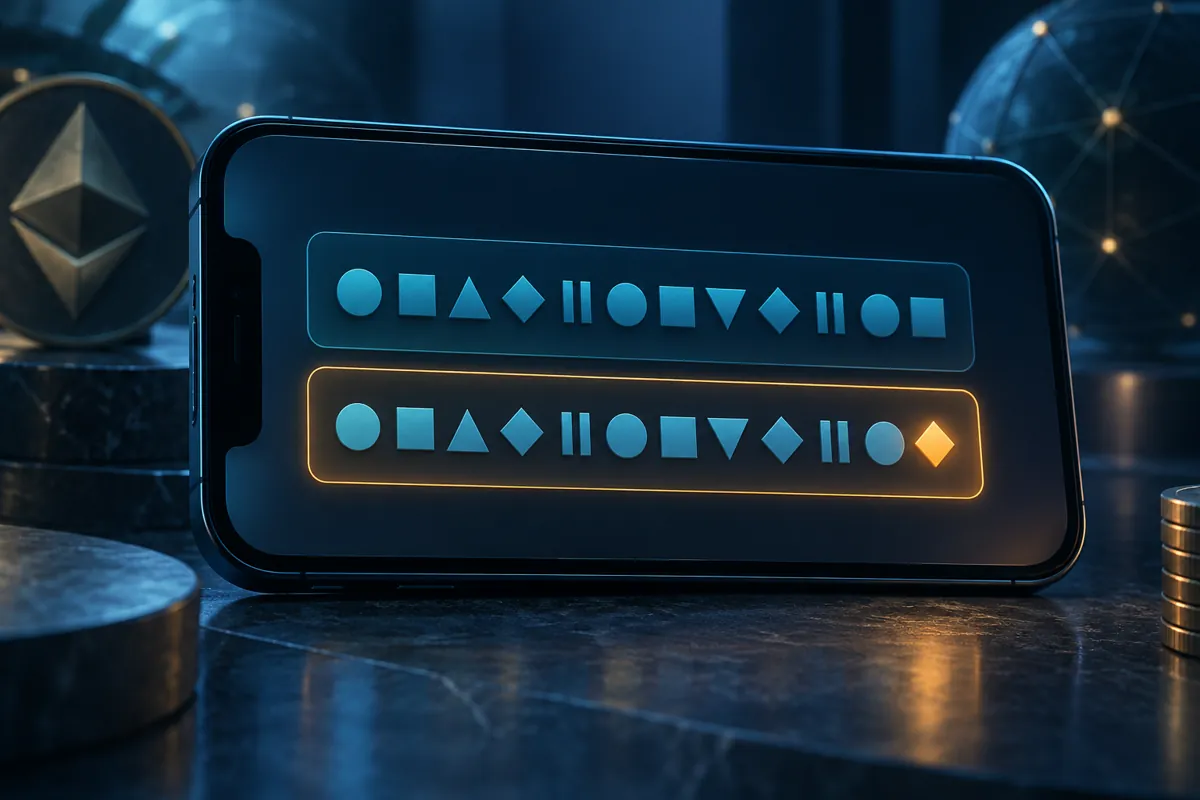
A dynamic NFT, sometimes shortened to dNFT, is built so its metadata can update automatically after minting. Instead of pointing to a fixed image or fixed set of traits, the smart contract behind the token is designed to change what it displays based on triggers such as time passing, a user action, or information coming from outside the blockchain.
The token itself still exists as a single, verifiable asset on chain. What changes is the data associated with it, not its identity or ownership record.
How Dynamic NFTs Actually Update
The mechanism behind most dynamic NFTs is a smart contract paired with an oracle. A blockchain on its own cannot see anything happening outside itself. It has no built in way to know the current temperature, a sports score, or a stock price. An oracle, such as the ones provided by Chainlink, solves that problem by fetching real world data and delivering it to the smart contract in a way the blockchain can trust.
Once that data arrives, the smart contract can apply rules that were set when the NFT was created. A frequently cited example is a game item, like a sword, that visually changes when an oracle reports rain in a particular city. The same logic can drive NFTs that change based on the time of day, a wallet’s on chain activity, or an event outcome. None of these updates require the original creator or the owner to manually edit anything. The contract handles it automatically once its conditions are met.
Why Creators Use Dynamic NFTs
Dynamic NFTs are common in a few specific use cases:
- Gaming items that level up, change appearance, or unlock features as a player progresses.
- Sports and event collectibles that update stats or rankings after a game concludes.
- Membership or ticket NFTs that switch states, for example from valid to redeemed, once they are used.
- Generative or reactive art that shifts in response to real world data like weather or market prices.
The appeal is that a single token can represent something that evolves, rather than requiring a new mint every time a status changes. This can also reduce unnecessary minting activity, since one dynamic token replaces what would otherwise be a series of separate static tokens.
The Tradeoffs
Dynamic NFTs are not automatically better than static ones. They come with added complexity and a few real tradeoffs worth understanding before choosing this route.
First, they depend on external infrastructure. If a project relies on an oracle to feed it data, the reliability of that oracle and the smart contract logic around it becomes part of what you are trusting. Third party data sources can have outages or security issues, and that risk gets inherited by the NFT.
Second, dynamic behavior adds smart contract complexity, which means more code that needs to be reviewed and tested. Bugs in update logic can lead to unintended changes, so this approach is generally better suited to experienced developers than to a first NFT project.
Third, some collectors specifically value the fixed, unchanging nature of static NFTs for provenance and collectibility. A token that can change after purchase is a different kind of asset than one guaranteed to stay the same, and buyers should know which one they are getting.
Which One Should You Mint?
For most individual creators, artists, and first time minters, a static NFT is the simpler and more predictable choice. It is easier to build, easier for collectors to understand, and does not depend on ongoing external services staying online. Dynamic NFTs make the most sense for projects with a specific, ongoing reason for the artwork or data to change, such as games or ticketing systems, and they typically require more technical planning up front.
Neither format is inherently more valuable than the other. The right choice depends on what you are trying to represent and whether that thing genuinely needs to change over time.
Getting Started
If you are working on a static NFT collection, whether that is a single piece of art or a small series, Simple NFT Creator lets you prepare and mint your work directly from your phone without writing any smart contract code. You can find it on the App Store and Google Play if you want to try minting your own NFT.