Phygital NFTs Explained: Linking Physical and Digital Art
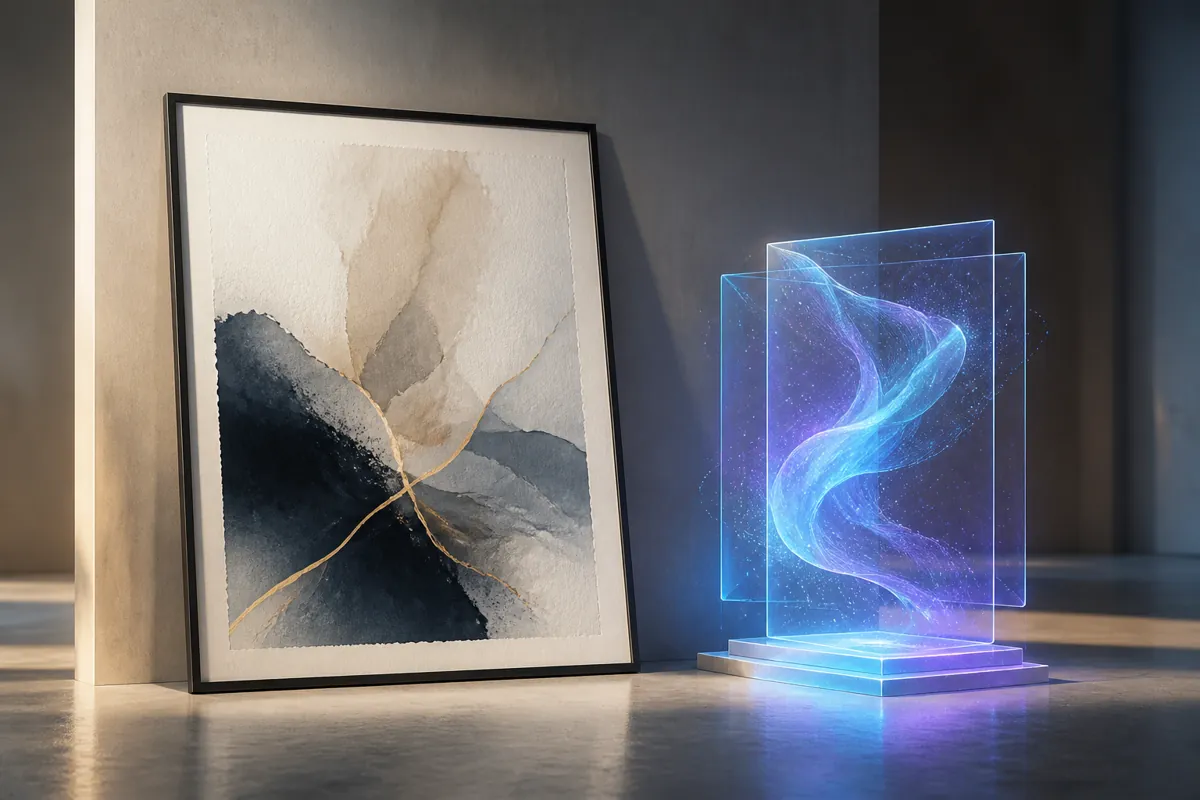
Table of Contents
What Are Phygital NFTs?
A phygital NFT pairs a physical item, such as a print, a piece of apparel, or a collectible object, with a digital token that represents proof of ownership, authenticity, or unlockable access. The word blends “physical” and “digital.” Instead of an NFT existing only as a file and a record on a blockchain, it is tied to something you can actually hold.
The idea has grown alongside interest from artists, fashion brands, and collectible makers who want the transparency of blockchain ownership records combined with a tangible product. For creators using a minting app, understanding how this pairing works is useful even if you never plan to ship physical goods, since the same mechanics show up in ticketing, redeemable merchandise, and limited print runs.
How the Physical and Digital Pieces Connect
There is no single standard for linking an object to a token. In practice, creators use a mix of the following methods, often combined for extra assurance.
- NFC chips or QR codes. A small NFC tag or printed QR code is embedded in or attached to the physical item. Scanning it with a phone opens a page that verifies the token’s contract address and confirms which wallet currently holds it.
- Serial numbers matched to metadata. Many limited print runs use a serial number printed on the physical piece that matches a number stored in the NFT’s metadata, so buyers can cross check the two.
- Redeemable tokens. Some projects mint an NFT first and let the holder redeem it for a physical item later, often by burning or locking the token once the item ships. This keeps a public record of how many physical units exist.
- Custodial vaulting. For higher value items, such as collectibles or luxury goods, the physical object is sometimes stored by a custodian, and the NFT represents a claim on that stored item rather than something shipped to the buyer.
None of these methods make the physical object itself part of the blockchain. The chain only stores a record of the token and its metadata. The physical link depends on the honesty and process of whoever set up the pairing, which is worth keeping in mind before you treat a phygital NFT as self-verifying.
Common Use Cases
Phygital NFTs show up in a few recurring categories.
- Art prints and editions. An artist sells a limited run of physical prints, each paired with an NFT that certifies edition number and authenticity.
- Apparel and fashion drops. Sneakers, jackets, or streetwear are sold with a matching NFT, sometimes usable as a digital wearable or proof of purchase for future drops.
- Event tickets and access passes. A ticket or membership card is issued as a token, with a physical badge or card as the secondary artifact.
- Trading cards and collectibles. Physical cards paired with NFTs let collectors trade the digital token without needing to ship the card itself.
Why Creators and Collectors Use This Model
The main appeal is provenance. A blockchain record shows exactly when a token was minted, who has held it, and how many exist in a collection, which is harder to fake than a paper certificate of authenticity. For creators, it also opens a secondary market for the digital component even after the physical item has changed hands or worn out, since the token can still be resold or traded on its own.
For buyers, a phygital item can be easier to verify at resale. Instead of relying only on a seller’s word that an item is authentic, a prospective buyer can check the associated token’s history on a block explorer before completing a purchase.
What to Check Before You Buy or Mint
The physical link is only as strong as the process behind it, so it is worth confirming a few things before assuming a phygital NFT guarantees anything about the object itself.
- Who verifies the pairing. Ask whether the project or a third party actually checks that serial numbers, NFC tags, or QR codes match the token, or whether the claim is unverified.
- What happens if the item is lost or damaged. Some projects state clearly that the token stands alone once the physical item is gone; others do not address it, which leaves the answer unclear.
- Redemption terms. If a token is redeemable for a physical item later, check shipping regions, deadlines, and what happens to the token after redemption, since some are burned and some are not.
- Custody and insurance, for stored items. If the physical item is held by a custodian rather than shipped to you, look into how it is stored, insured, and what recourse exists if the custodian shuts down.
As with any NFT purchase, it helps to look at the smart contract directly rather than relying only on marketplace listings or a project’s website. A quick way to start is verifying an NFT using a blockchain explorer, which shows the token’s actual contract, owner, and transfer history.
Minting Your Own Phygital Project
If you are a creator considering a phygital release, start simple. A single limited edition print paired with a matching NFT and a clear, written redemption or verification process is easier to manage and easier for buyers to trust than a large collection with vague physical fulfillment promises. Decide upfront how the physical and digital pieces will be linked, and be explicit about it in your listing so collectors know exactly what they are buying.
If you are ready to mint the digital side of a project, whether it is a phygital release or a purely digital collection, the Simple NFT Creator app walks you through minting from your phone, available on the App Store and Google Play.