Common NFT Scams and How to Spot Them: A Safety Guide
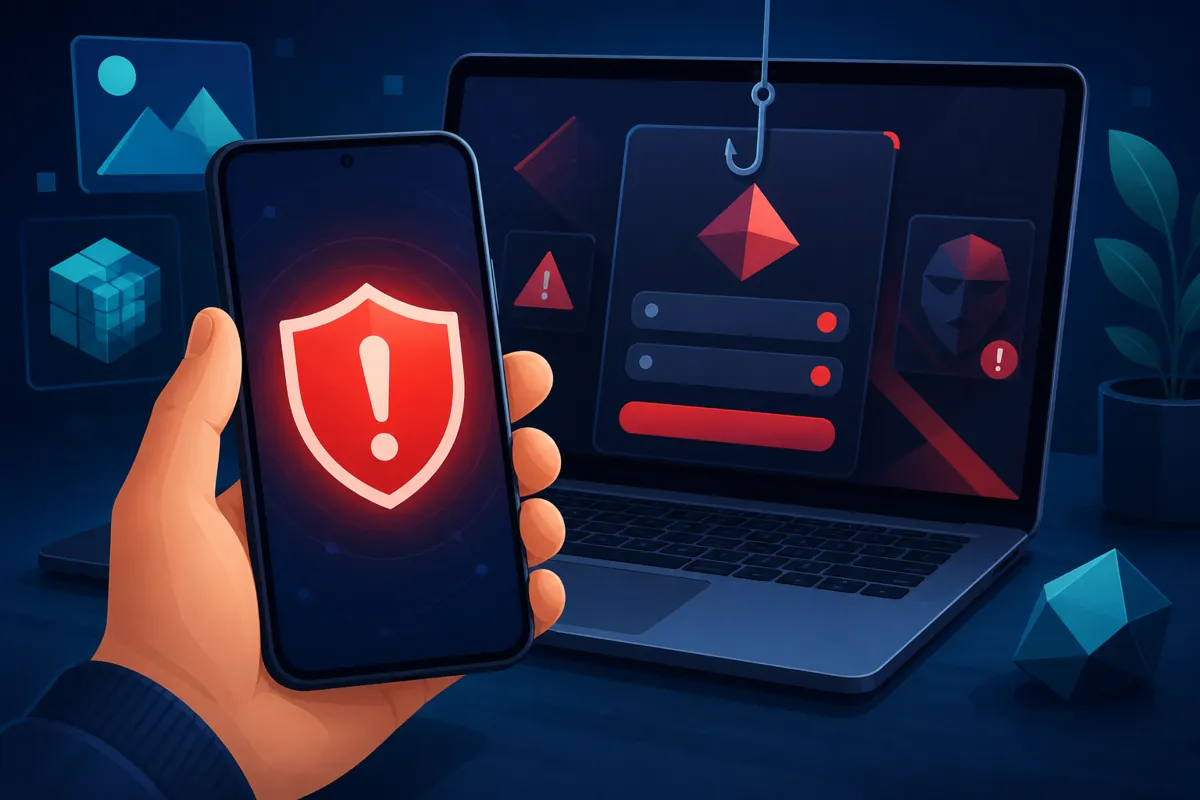
Table of Contents
NFTs have brought a lot of newcomers into crypto wallets for the first time, and scammers know it. Most NFT scams do not rely on breaking blockchain security. They rely on tricking a person into signing something they should not, clicking a link they should not, or trusting a message that looks legitimate. Understanding the common patterns is the single best defense you have.
Why NFT Scams Are So Common
Blockchain transactions are irreversible. Once you sign a transaction or approve a smart contract, there is usually no bank to call and no chargeback to request. That finality is part of what makes NFTs work, but it also means a single mistake can be permanent. Scammers exploit urgency, hype around new drops, and the fact that wallet interfaces often show confusing technical prompts that are easy to approve without fully reading.
Phishing Links and Fake Websites
Phishing is still the most common way people lose NFTs. A fake website that looks identical to a real marketplace or minting page asks you to “connect wallet,” then either requests a signature that grants access to your assets or tries to collect your seed phrase directly. Legitimate apps and marketplaces never ask you to type your seed phrase into a website or a support chat. If you are ever asked for it, close the tab immediately.
Watch for small differences in URLs, such as swapped letters or an extra word before the domain. Bookmark the official sites you use regularly instead of clicking links from search results, social media replies, or direct messages.
Fake Mint Sites and Urgency Tactics
Around popular drops, scammers often spin up fake minting pages advertised through hacked or impersonator social accounts. These pages copy the real project’s branding and push urgency: “only 10 left,” “mint closes in 5 minutes.” That pressure is intentional, it is designed to stop you from double checking the contract address. Before minting anything, verify the official contract address through the project’s verified website or documentation, not through a link someone posted in a comment section.
Wallet Drainers and Malicious Approvals
A wallet drainer is a script embedded in a malicious site that, once you connect your wallet, prompts you to sign a transaction that looks routine but actually grants broad approval over your tokens or NFTs. The wallet popup rarely says “drain my wallet” in plain language. It shows a function name and a request for permission, and most people approve without reading closely.
This is why understanding wallet approvals matters so much for NFT holders. For a deeper look at how approvals work and how to review or revoke them, see our guide on token approvals and wallet safety. Periodically reviewing and revoking old approvals, especially after minting from a site you no longer use, closes off a common attack path.
Impersonation and Fake Giveaways
Fake support accounts and fake giveaways are everywhere on social platforms. A common pattern: someone replies to your public post pretending to be official support, asks you to “verify” your wallet, and links to a phishing site. Another pattern is a fake giveaway that asks you to send a small amount of crypto to “unlock” a larger prize. No legitimate giveaway ever requires you to send funds first, and no real support team will DM you first or ask you to share private wallet details.
Fake or Copycat Collections
Because anyone can deploy a smart contract, it is possible to create a collection that copies an existing project’s artwork or name. Before buying, check that the collection is linked from the project’s official website, confirm the contract address matches what the creators have published, and look for consistent activity and a real history rather than art that appeared with no context.
How to Protect Yourself
- Never share your seed phrase or private key with anyone, for any reason.
- Bookmark official sites instead of clicking links from social media or DMs.
- Read wallet prompts carefully before approving, and be wary of broad or unlimited approvals.
- Use a hardware wallet for higher value holdings so signing happens on a separate device.
- Consider a separate “hot” wallet with limited funds for minting and experimenting, keeping your main holdings elsewhere.
- Verify contract addresses against the project’s official documentation before minting or buying.
- Be skeptical of urgency. Real opportunities rarely disappear in minutes.
What to Do If You Think You’ve Been Scammed
If you suspect a malicious approval was granted, use a reputable approval-checking tool for your blockchain to review and revoke access as soon as possible. Move any remaining assets to a new, secure wallet if you believe your existing wallet or seed phrase may be compromised. Report the scam to the platform where it occurred, and share what happened with your community so others can avoid the same trap. Acting quickly limits the damage, but prevention is always more effective than recovery.
Staying safe in the NFT space comes down to slowing down at the exact moments scammers want you to rush. If you are getting started with minting your own art or exploring collections, the Simple NFT Creator app is built to keep the process straightforward, and it is available on the App Store and Google Play whenever you are ready to try it.