What Is NFT Wash Trading? How to Spot Inflated Volume
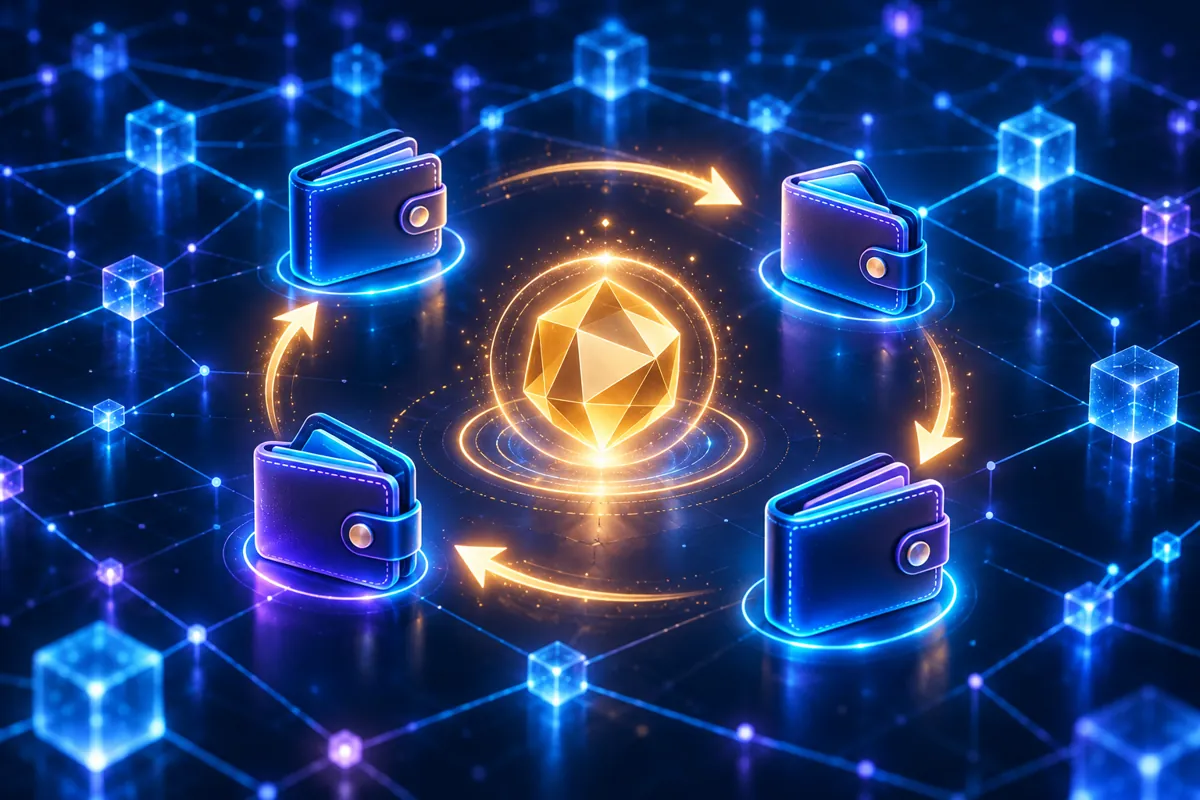
Table of Contents
If you have browsed an NFT collection and noticed a trading volume number that seems far bigger than the number of unique collectors, you may be looking at the effects of wash trading. It is one of the less visible issues in NFT markets, and understanding it helps you read marketplace data more carefully before you buy, sell, or mint.
What Is Wash Trading?
Wash trading happens when someone buys and sells the same asset, often to themselves or to a wallet they also control, to create the appearance of real trading activity. In traditional finance this is illegal in regulated markets because it misleads other investors about demand and liquidity. In NFT markets, which are largely permissionless and pseudonymous, the same behavior is technically easy to carry out and historically has not always been policed in the same way.
The mechanics are simple. A person sends an NFT from one wallet to another they also control, then sells it back, repeating the cycle. Each sale is recorded on-chain and counted by marketplaces and data aggregators as genuine trading volume, even though no real change of ownership or price discovery took place.
How Wash Trading Shows Up in NFT Markets
Reward-Driven Trading
Some marketplaces have run incentive programs that pay out a native token based on trading volume. When a reward is tied to volume rather than to genuine buyer and seller matching, it creates a direct incentive to trade an NFT back and forth between wallets you control. This pattern was widely reported around marketplace token launches in the NFT space, where total reported volume spiked well beyond what organic collector activity could explain.
Manufactured Demand
Outside of reward programs, wash trading is also used to make a collection look more popular than it is. A seller moving a piece through a handful of linked wallets at rising prices can create a false floor price and a misleading sales history, which can influence a buyer who is only looking at headline numbers.
Why It Matters for Buyers and Creators
For buyers, wash trading distorts the signals you rely on: trading volume, floor price trends, and the number of unique holders. A collection that looks active and in demand may actually have very few genuine participants. For creators and legitimate collectors, wash trading in a market can erode trust in on-chain data generally, making it harder for honestly traded collections to stand out on their real merits.
It is worth being clear that wash trading is a market integrity issue, not a reason to avoid minting or collecting NFTs altogether. Most individual creators minting original art, music, or photography are not involved in it at all. The risk is mainly in relying too heavily on volume and price charts without checking who is actually behind the activity.
How to Spot Possible Wash Trading
You do not need specialized tools to catch the most obvious patterns. A few signals are worth checking before trusting a collection’s numbers:
- Repeating wallets. Look at a token’s transaction history on a block explorer. If the same small set of wallets keeps buying and selling the same item, that is a red flag.
- Round-trip timing. Sales that happen in rapid succession, sometimes within the same block or minutes apart, are unusual for organic buying and selling.
- Price that never moves with the market. If a token’s resale price is suspiciously consistent regardless of broader market conditions, it may be cycling between related wallets rather than finding a real market price.
- High volume, low unique holders. A collection with a large reported trading volume but very few distinct wallet addresses holding or trading its tokens is a classic sign of concentrated, possibly self-dealing activity.
- New wallets funded from the same source. If the wallets involved in a cycle of trades were all funded by the same originating wallet or exchange withdrawal, that is a strong indicator they are controlled by one person.
Tools That Can Help
Block explorers such as Etherscan, Solscan, or the relevant explorer for your network let you trace a token’s full ownership and transaction history for free. On-chain analytics platforms like Nansen and Chainalysis publish research and dashboards that flag wallet clusters and wash trading patterns across major marketplaces, and some of this research is available in free reports if you want to understand the scale of the issue without a paid subscription. Several major marketplaces have also adjusted how they calculate and display volume to filter out trades between wallets flagged as connected, so comparing volume figures across platforms is not always apples to apples.
What Marketplaces Are Doing About It
Since wash trading became widely documented, larger marketplaces have taken steps such as excluding flagged wallet clusters from official volume counts, tightening or removing volume-based reward programs, and publishing clearer trading metrics like unique buyer and seller counts rather than raw volume alone. These changes do not eliminate the practice, but they make it somewhat harder to use wash trading to game rankings or rewards than it was a few years ago.
The Takeaway
Wash trading is a reminder that on-chain data is verifiable but not automatically meaningful. The blockchain will faithfully record every transaction, including ones designed to mislead. Before you judge a collection by its volume or price chart, take a few minutes to check the wallets behind the biggest trades. That habit protects you as a buyer and helps you support creators and collections with genuine, organic activity.
If you are focused on the creating side rather than trading, the healthiest way to build a collection’s reputation is still the simplest one: mint real work, price it honestly, and let genuine collectors find it. The Simple NFT Creator app, available on the App Store and Google Play, is built for exactly that: turning your art, photos, or music into properly minted NFTs without needing to understand the technical side of smart contracts or gas fees first.