What Is NFT Rarity? How Traits Shape Collection Value
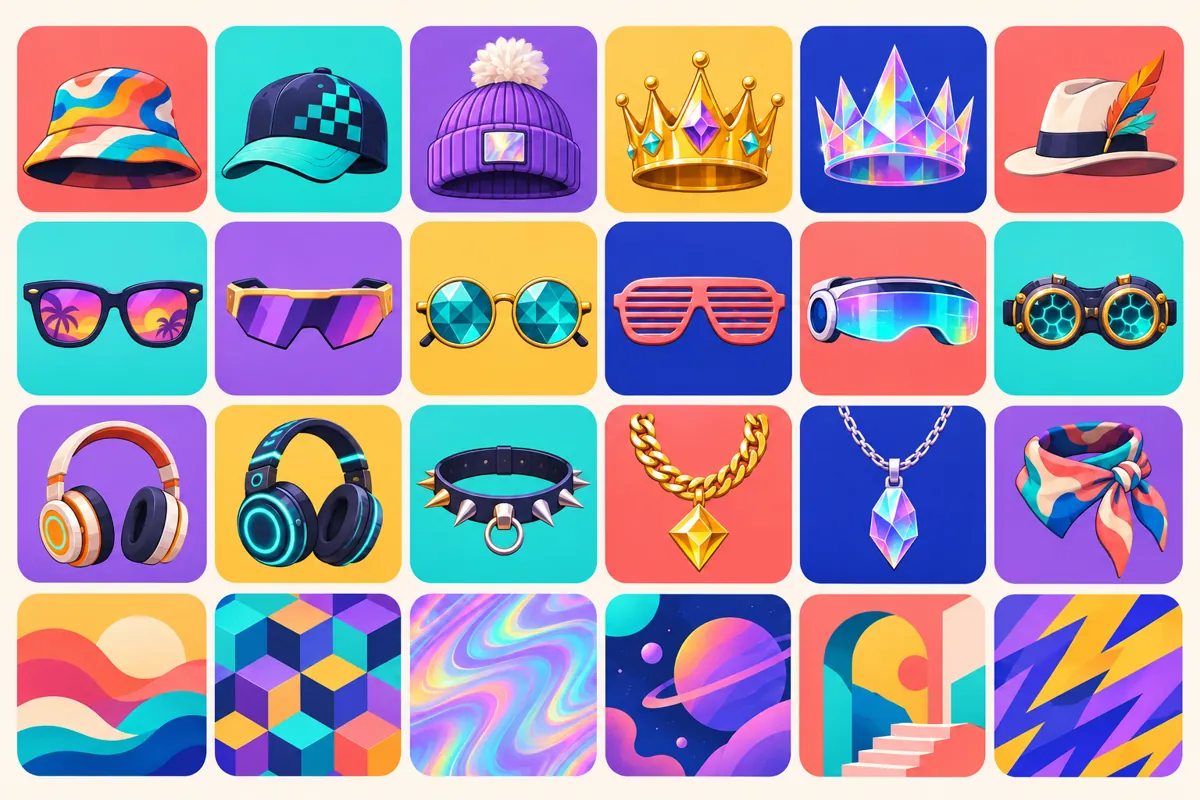
Table of Contents
What NFT Rarity Actually Means
When people talk about an NFT being “rare,” they usually mean something specific: within a collection of similar tokens, this particular one combines traits that show up less often than others. A generative collection of 10,000 characters might vary hats, backgrounds, eyes, and accessories. If only 40 pieces out of 10,000 have a certain background color, that background is rare. Rarity is a property of the collection as a whole, not of a single image in isolation.
This matters because most NFT collections are generated programmatically. An artist or developer builds a set of traits, assigns each one a probability, and a script combines them into thousands of unique combinations. The traits are listed in the token’s metadata, and that metadata is what rarity tools read to work out how unusual each combination is.
How Rarity Scores Are Calculated
There is no single official formula, which is part of why two tools can rank the same collection differently. Three approaches are common:
- Trait count method. Items with fewer total traits (or more traits, depending on the collection’s design) are treated as rarer, on the idea that unusual trait counts stand out.
- Statistical rarity (rarity score) method. Each trait’s rarity is calculated as the inverse of how often it appears, and those values are added up across all of an item’s traits. A one in 200 hat contributes more to the score than a one in 2 background.
- Average trait rarity method. Instead of summing trait rarities, this approach averages them, which can produce different rankings than the summing method, especially for items with one extremely rare trait and several common ones.
Because these methods weigh traits differently, an NFT ranked in the top 1% by one calculation can land further down a list that uses another. If you are comparing rarity across tools, it helps to know which method each one is using before treating a rank as a fixed fact.
Does Rarity Actually Drive Price?
Often, but not always, and not by itself. In many established collections, demonstrably rare pieces do sell for a premium over the collection floor, because buyers want something distinctive and scarce. But price also depends on factors rarity scores do not capture, such as how visually appealing a specific trait combination looks, whether a trait has become a meme or status symbol within that community, and plain market demand for the collection overall.
It is also worth remembering that rarity is a relative measure within one collection. A “rare” trait in a collection nobody is trading has no real market value attached to it. Treat a rarity rank as one input among several, not a guarantee of resale value or future price movement.
Tools Collectors Use to Check Rarity
Several independent websites and browser extensions let you look up a collection and see rarity rankings for individual tokens, usually by pulling metadata through a marketplace API. Some NFT marketplaces also show a rarity rank or badge directly on a listing page. These tools are useful for a quick read, but they are built and maintained by third parties, not by the blockchain itself, so:
- Rankings can differ between tools, as noted above.
- A tool might be missing or using outdated metadata for a newer collection.
- Rarity data reflects the traits recorded in metadata, not the on-chain ownership history or provenance of the piece.
If a rarity figure matters to a buying decision, it is worth cross-checking it on more than one source, and reading the collection’s own documentation if the creator has published trait probabilities.
What Creators Should Think About When Designing Traits
If you are building a generative collection rather than minting one-off pieces, trait rarity is a design decision you make up front, not something that happens automatically. A few practical points:
- Decide on trait categories (background, body, eyes, accessories, and so on) and set a deliberate probability for each option, rather than leaving distribution to chance.
- Test combinations before generating the full set. Some trait pairings can look broken or clash visually, and it is easier to catch that in a preview than after minting.
- Publish your trait counts or probabilities if you want your collectors to be able to verify rarity themselves instead of relying only on third-party tools.
- Keep metadata consistent and complete for every token. Missing or malformed trait fields are a common reason rarity tools misread a collection.
Risks Worth Knowing About
A few things to watch for on both the creator and collector side. Rarity calculations can be gamed if a creator quietly adjusts trait distributions after a collection launches, so established collections that lock their metadata tend to be viewed as more trustworthy. Bots are sometimes used to scan new mints the moment they go live and buy up pieces that score well on rarity before most human buyers have had a chance to look, a practice generally called trait sniping. And because rarity tools are independent services, none of them can be treated as an authoritative source the way on-chain data can. None of this means rarity is meaningless, but it is a reason to treat any single rarity figure as a data point, not a verdict.
Whether you are designing a trait-based collection or minting a single piece of art, understanding how rarity is calculated helps you make sense of what you see on marketplaces. Simple NFT Creator, available on the App Store and Google Play, lets you create and mint your own NFTs directly from your phone, with straightforward metadata so your traits and details are recorded clearly from the start.