What Are Phygital NFTs? From Digital Token to Physical Item
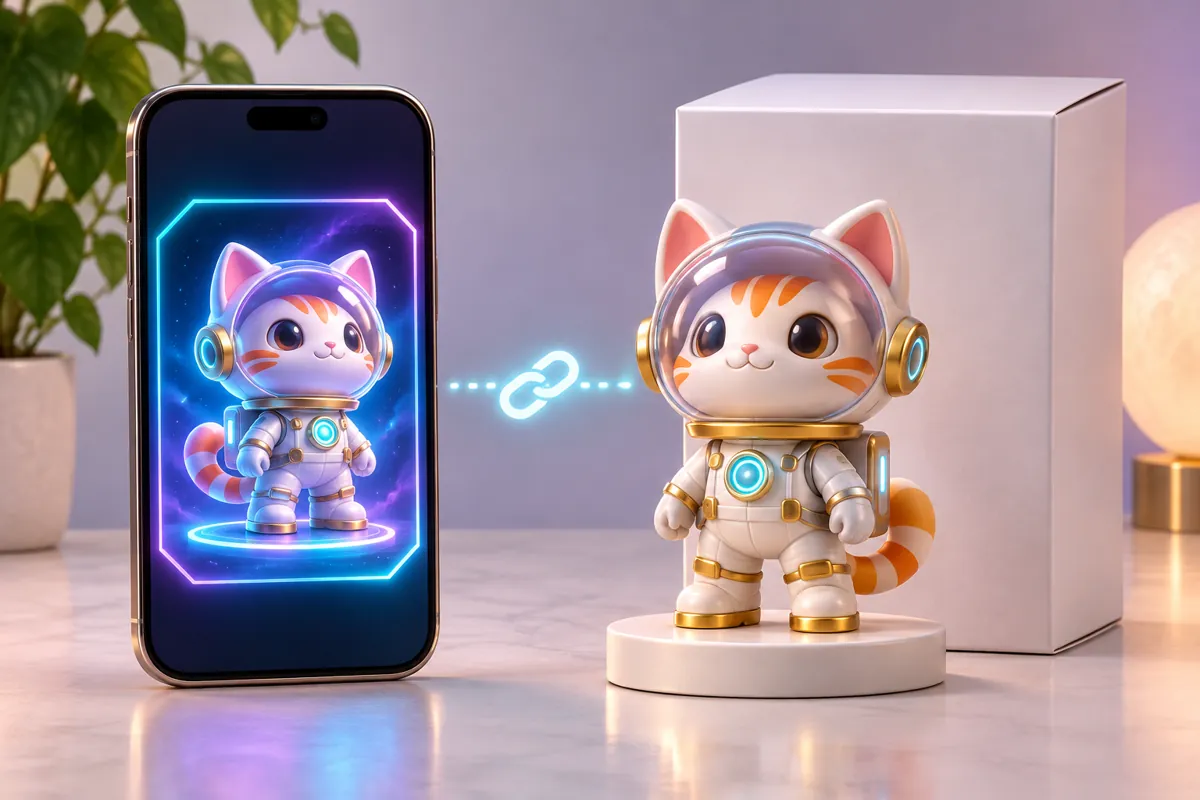
Table of Contents
Most NFTs live entirely on chain. A phygital NFT is different: it ties a digital token to a physical object, so owning or redeeming the token connects you to something you can actually hold. The term blends "physical" and "digital," and the model has shown up in sneaker drops, collectible figures, trading cards, and limited edition merchandise.
If you create or collect NFTs, it helps to understand how these hybrid items are built, because the mechanics change what you are actually buying and what responsibilities come with it.
How Phygital NFTs Work
There are two common approaches, and they behave quite differently for the collector.
Burn to redeem
In this model, the NFT acts like a claim ticket. To receive the physical item, the holder sends the token to a burn address, permanently destroying it, and the project then ships the physical product. Once the NFT is burned, it no longer exists on chain and cannot be resold or traded. The collector ends up with the physical item but gives up the digital one.
Linked ownership, no burn
In the second model, the digital token and the physical item stay connected instead of one replacing the other. Some projects embed a chip, such as an NFC tag, inside the physical product and link its unique identifier to the NFT’s metadata. The NFT then works as a verifiable record of authenticity and ownership for the physical piece, and both parts can often be sold together as a set. Other projects simply let holders keep the NFT after claiming a matching physical item, with no on-chain link enforced between the two beyond the original claim.
Real World Examples
Phygital drops became popular in sneaker and collectible culture. RTFKT, working with Nike, let holders of certain NFT sneakers join claim events, sometimes called forging, to receive a matching physical pair. Clone X, also from RTFKT, ran a similar process for a physical hoodie built with an embedded chip linking it back to the owner’s NFT. Collectible platforms such as VeVe have run redemption windows where digital figures or cards could be exchanged for a physical counterpart within a set time frame.
These examples share a pattern worth noticing: eligibility windows, redemption steps, and whether the NFT survives the process all vary by project. There is no single standard, so the only reliable source of truth is each project’s own published terms.
Why Creators and Collectors Use This Model
- Proof of authenticity. A linked NFT can make it harder to pass off a counterfeit as the genuine limited edition item, since the blockchain record is public and tamper resistant.
- Added utility. A digital token that unlocks or accompanies a physical product gives collectors a reason to value the NFT beyond the image itself.
- Verifiable scarcity. Because the token supply is fixed and visible on chain, buyers can check exactly how many items were ever issued.
- A bridge for newcomers. A tangible item can make the idea of owning a digital collectible feel more concrete to someone new to NFTs.
Risks and Things to Check Before You Buy or Launch One
- Read the redemption terms first. Confirm whether claiming the physical item requires burning the NFT, and whether there is a deadline. Missing a redemption window can mean losing access to the physical item entirely.
- Shipping and logistics are a real bottleneck. Physical production, customs, and delivery take time and can fail in ways a purely digital asset never does. Factor in regional availability and shipping costs.
- A chip link is only as good as its implementation. An NFC tag proves the physical item was paired with a specific token at some point, but it does not by itself prevent someone from removing or duplicating a tag if the system is poorly secured.
- Resale value is uncertain. Phygital collectibles are still a niche market, and liquidity on secondary marketplaces can be thin compared to purely digital collections.
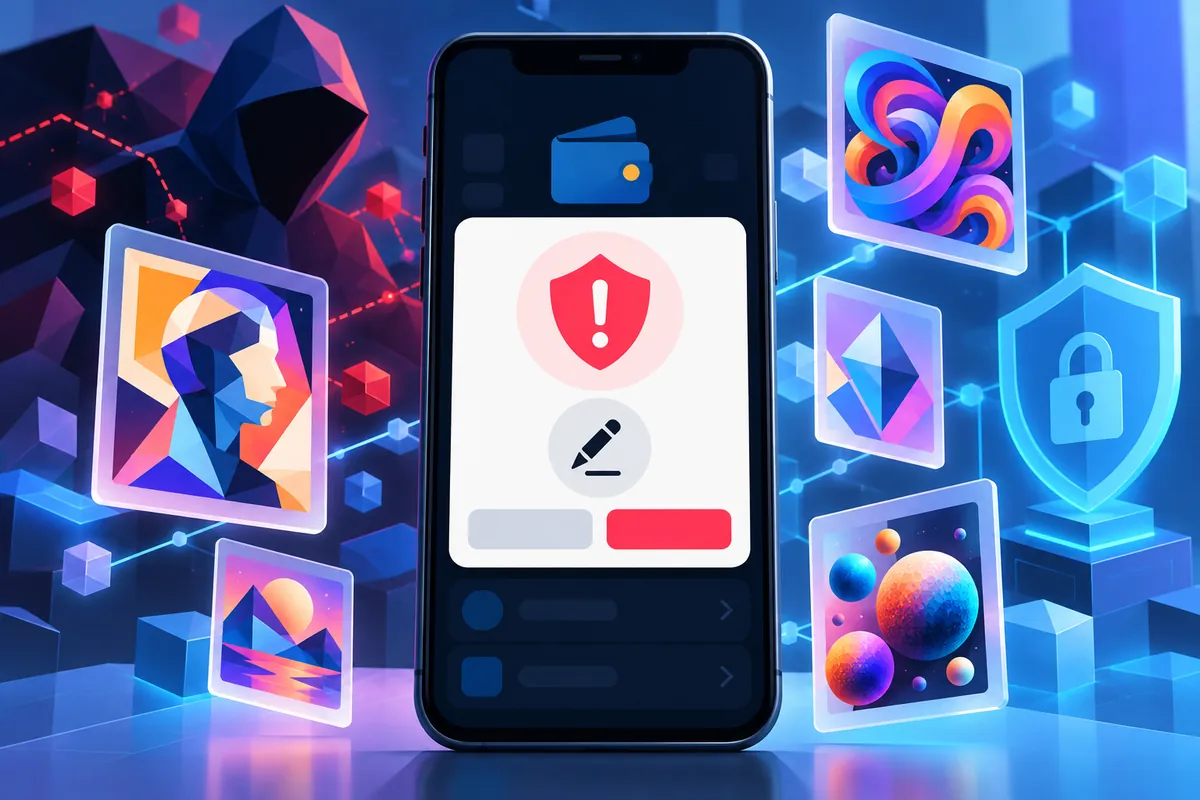
- Watch for scams copying the format. Because phygital drops often involve urgency and claim windows, scammers sometimes imitate legitimate projects with fake redemption sites. Only use links shared through a project’s official channels.
Thinking About a Phygital Drop of Your Own
You do not need a shipping operation to experiment with the idea. Many creators start simpler: mint a digital collection first, build an audience around it, and only add a physical component later once there is real demand. The physical side can also be as modest as a signed print or a small batch of prints tied to specific tokens, rather than a full merchandise line.
If you are getting started with the digital half of that process, the Simple NFT Creator app walks you through creating and minting your own NFT art from your phone, available on the App Store and Google Play. It is a practical way to learn the minting side before you plan anything physical to go with it.