What Is EIP-712? How Wallets Show Clear Signing Requests
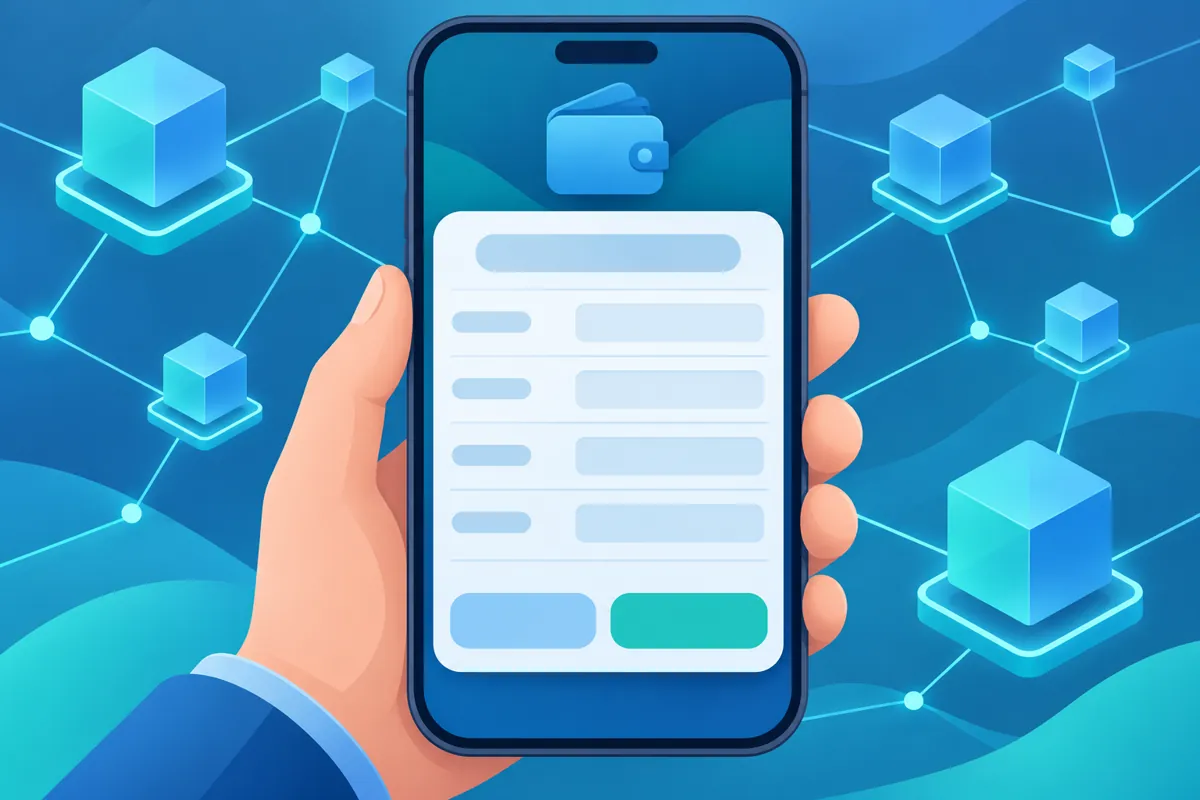
Table of Contents
Why Your Wallet Sometimes Shows a Readable Request, and Sometimes Just Hex
If you have minted or listed an NFT before, you have probably seen two very different kinds of signature prompts. Some show a wall of meaningless numbers and letters. Others show plain fields: a contract name, an action, a price, an expiration date. That difference is not random. It usually comes down to whether the app is using a standard called EIP-712.
EIP-712 is an Ethereum standard for signing structured, typed data instead of raw, opaque byte strings. It does not change what a signature can authorize. It changes how clearly that authorization is presented to you before you approve it.
The Problem EIP-712 Was Built to Solve
Before this standard existed, many apps relied on a signing method that simply hashed an arbitrary string of bytes and asked the wallet to sign it. The wallet had no reliable way to describe what those bytes meant, so it showed them as hex. Signers were effectively being asked to trust an app’s word for what they were approving, since the wallet itself could not translate the request into something readable.
This is often called blind signing, and it is a known vector for scams. A malicious or compromised site can ask for a signature that looks harmless but actually authorizes something damaging, such as transferring an asset or approving a spender. Hardware wallets and software wallets have both pushed back against this pattern over the years, and EIP-712 is one of the main technical tools that makes pushing back possible.
What Actually Changes With Typed Data
With EIP-712, the data being signed is organized into a defined structure before it ever reaches your wallet. A typed data payload generally includes:
- A domain, which identifies the app name, version, chain ID, and the specific contract address the signature is meant for.
- A set of types, which describe the shape of the message, similar to defining fields in a form.
- The message itself, filled in with the actual values, such as a token ID, a price, or an expiration time.
Because the wallet receives this structure rather than a flat string, it can render each field individually. Instead of a block of hex, you see something closer to a form: the contract you are interacting with, the action being requested, and the specific values involved. You are still trusting the wallet’s interface to render this accurately, but you are no longer entirely dependent on the requesting app’s own description of what it is asking for.
The Domain Separator Matters More Than It Looks
One detail that is easy to overlook is the domain section of a typed data request. Behind the scenes, the wallet combines that domain information with the message into a final hash before signing it. This binds the resulting signature to a specific contract and chain. A signature produced for one app, on one network, generally cannot simply be replayed against a different contract or a different chain, because the domain data baked into the hash would not match.
This is part of why it is still worth glancing at the domain fields a wallet shows you, even when the rest of the request looks routine. If the contract address or network looks unfamiliar for an action you expect to be routine, that mismatch is worth pausing on before you approve anything.
Where This Shows Up in NFT Minting and Trading
EIP-712 is not just a security nicety. It also enables a lot of functionality people take for granted in the NFT space:
- Gasless listings and offers. Many marketplaces let you list an NFT for sale or make an offer without paying network fees upfront. This works because you are signing a typed data message describing the trade terms, rather than sending an on-chain transaction. The trade only settles on-chain later, when someone accepts it.
- Token approvals via permit signatures. Some tokens support a signed approval pattern instead of a separate on-chain approval transaction, which can reduce the number of transactions needed before a purchase goes through.
- Off-chain voting and governance. Some community and DAO tools let members sign a typed data message to cast a vote, which is later verified against the signature rather than requiring every vote to be its own transaction.
If you create and mint from a mobile app, you may not see these mechanics directly, but they are often running underneath actions like listing a piece you just minted, or responding to an offer on something you created.
A Clearer Prompt Is Not the Same as a Safe One
It is worth being precise about what EIP-712 does and does not guarantee. It makes a signing request easier to read. It does not make the request automatically trustworthy. A deceptive app can still use properly formatted typed data to ask for something harmful, such as a signature that effectively hands over an asset, while labeling the fields in misleading ways.
In practice, that means the readability EIP-712 provides is only useful if you actually read it. Before approving a typed data request, it is reasonable to check that the contract address matches the app you intend to use, that the action described matches what you were trying to do, and that any price or recipient field looks correct. Treat an unexpected request, such as one that shows up without you initiating an action, with the same suspicion you would give an unsolicited transaction request.
The Takeaway
EIP-712 does not add new powers to a signature. It adds structure, so wallets can translate a request into something you can actually evaluate instead of a string of hex you have to take on faith. That is a meaningful improvement over blind signing, and it is part of why listing, offering, and some minting flows can feel smoother than a plain on-chain transaction. The readability is a tool for making better decisions, not a substitute for making them carefully.
If you are creating and minting your own NFTs from your phone, the Simple NFT Creator app is available on the App Store and Google Play, and walks you through minting and listing without needing to touch raw contract calls yourself.