What Are Composable NFTs? Tokens That Combine and Nest
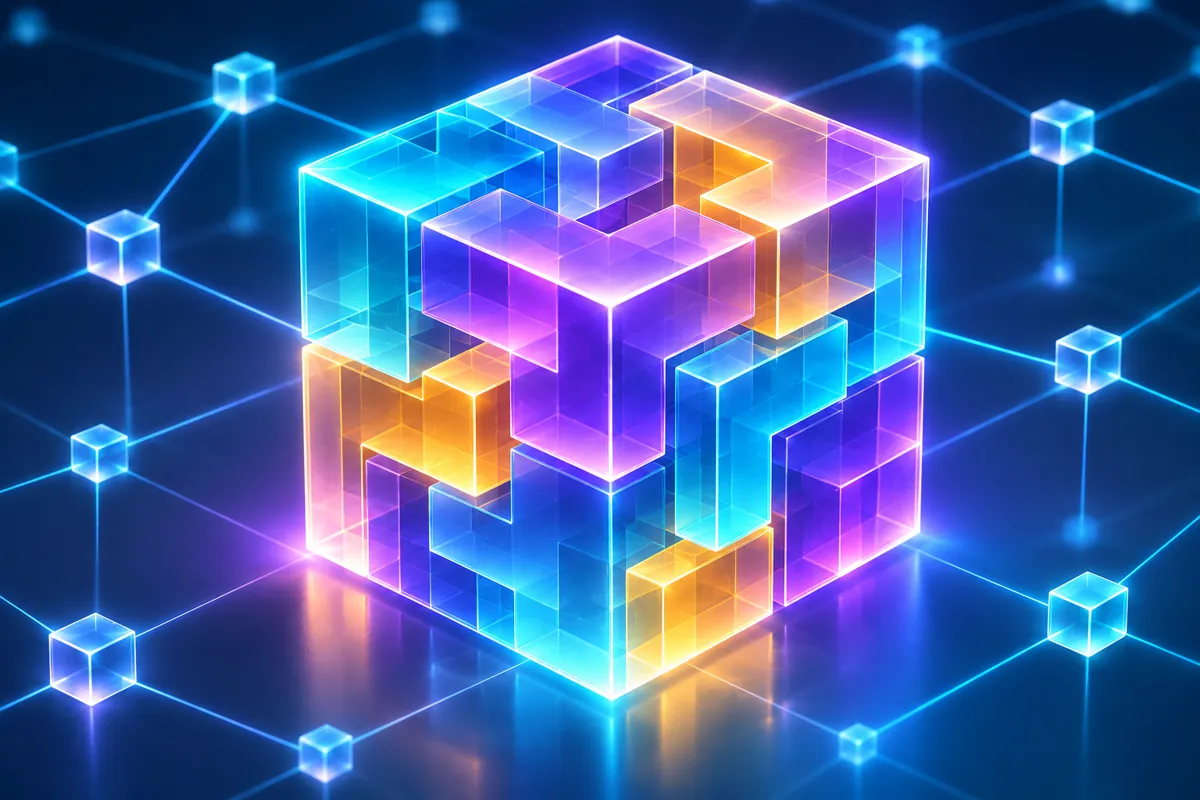
Table of Contents
Most NFTs are self contained. A single token points to a single image or file, and that is the whole picture. Composable NFTs break that pattern. They are tokens designed to hold, link to, or combine with other tokens, so that one NFT can be built out of smaller parts, or can contain an entire collection of items inside it.
The idea has been part of NFT standards discussions for years, and it keeps resurfacing in gaming, digital fashion, and generative art, because it solves a real problem: a single flat token is a poor fit for anything that has interchangeable parts or a changing inventory.
How Composability Works
The earliest attempt at this was a token standard called ERC-998, proposed not long after ERC-721 itself. It let an NFT act as a container for other ERC-721 and ERC-20 tokens, so a single “composable” token could own a wallet-like bundle of assets underneath it. ERC-998 never saw wide adoption, partly because of gas costs and partly because marketplaces were not built to display nested ownership.
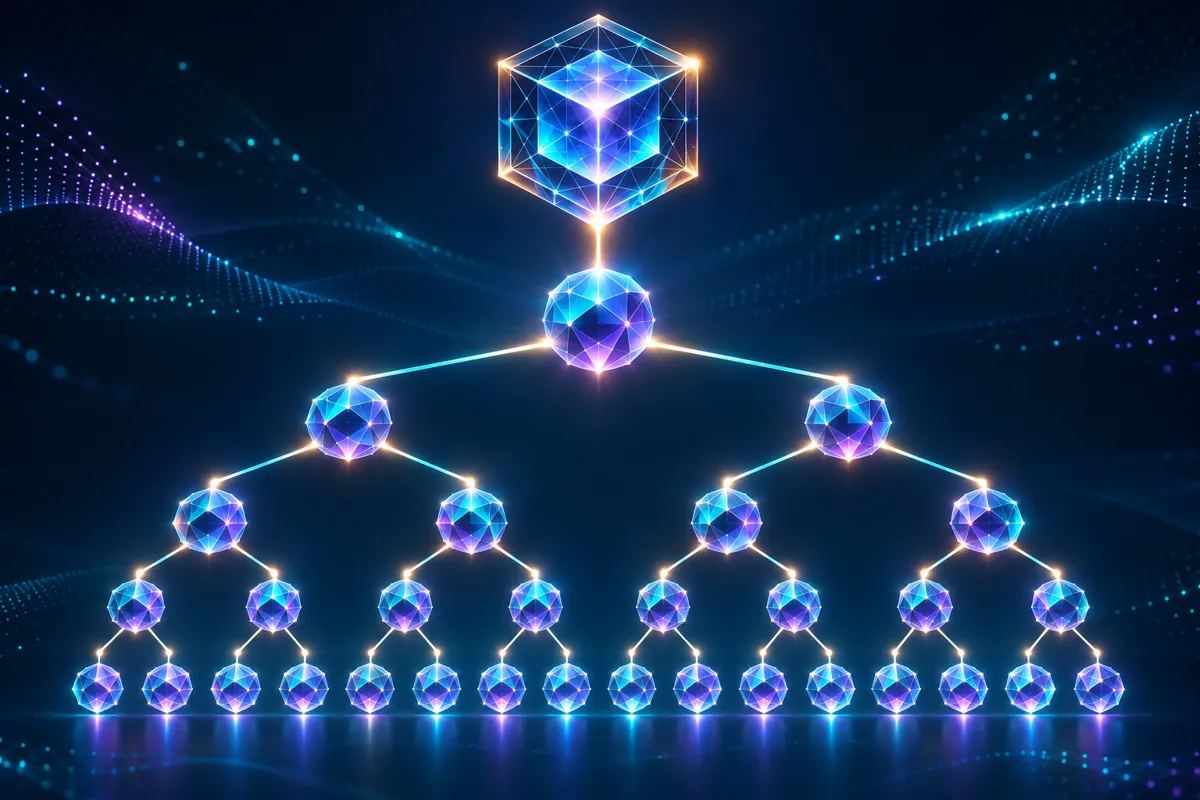
What did take hold is a simpler, more flexible pattern sometimes called nesting. A project’s smart contract allows one NFT, often called the parent, to hold or reference other NFTs, often called children or parts. Depending on the implementation, those child tokens can be transferred into and out of the parent, swapped for different ones, or locked permanently once combined. Standards built for this purpose, including proposals used by some gaming and collectible projects, formalize how marketplaces and wallets should read and display that parent and child relationship.
In practice, composability usually shows up in one of two ways:
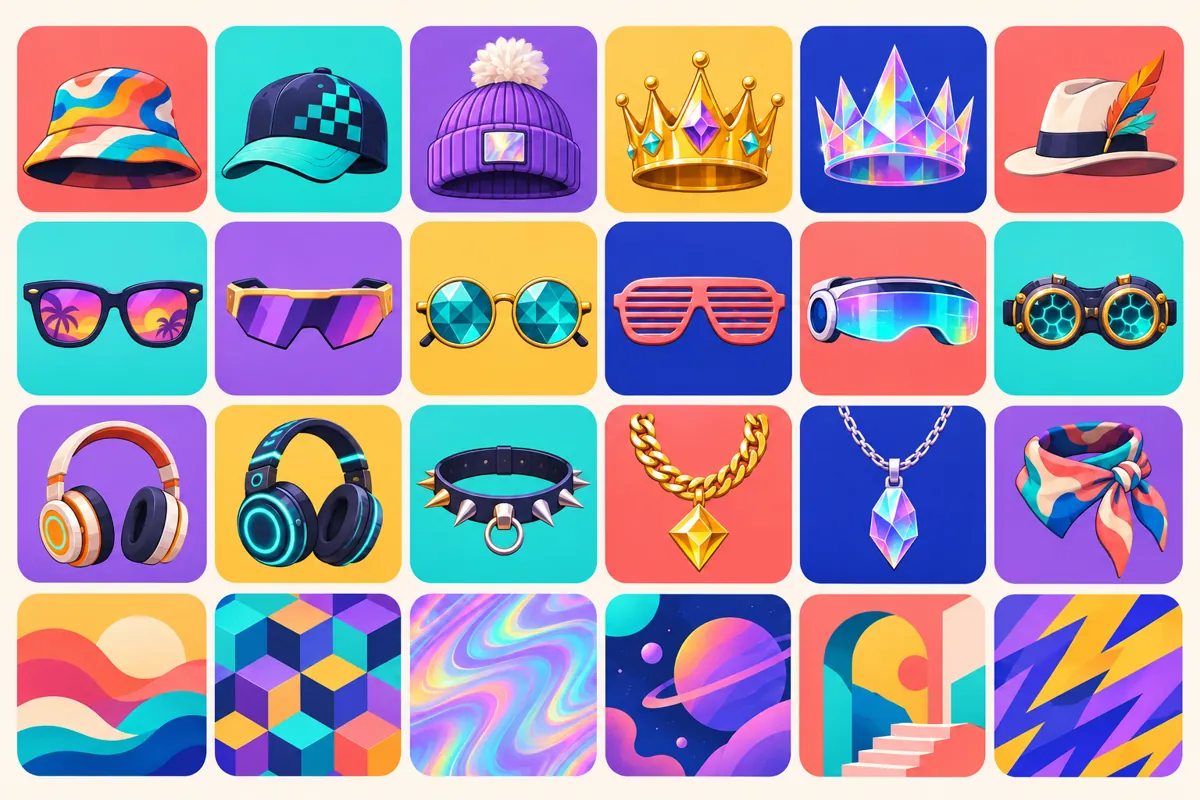
- Visual or functional layering. A base character NFT can equip accessory NFTs, such as a hat, a background, or a tool, and the final artwork updates to reflect what is currently attached.
- Containment. A single NFT represents a set, box, or kit, and owning it means you effectively own everything nested inside, even though each part could technically also exist as its own token.
Common Use Cases
Gaming is the clearest fit. A character NFT in a game can equip weapons, armor, or cosmetic items that are themselves NFTs, letting players trade individual pieces of gear without touching the character token itself. Digital fashion and avatar projects use a similar model, where a base avatar can be dressed in separately owned clothing or accessory tokens.
Generative art has also experimented with composability, letting a base piece of art absorb or react to other tokens a collector owns, sometimes changing its appearance as a result. Collectible projects that sell themed sets, such as a pack containing several related characters or items, can use a parent token to represent the whole set while keeping each item independently tradeable if the owner chooses to split it apart.
Composable NFTs vs Token Bound Accounts
Composable NFTs are easy to confuse with a related but different idea: token bound accounts, defined by the ERC-6551 standard. A token bound account gives an NFT its own wallet address, capable of holding any asset a regular wallet can hold. Composability, by contrast, is specifically about one token being built from or containing other tokens through a project’s own contract logic, rather than through a generic wallet attached to it.
The two approaches can overlap. A token bound account could, in theory, hold the component NFTs of a composable item, combining both patterns. But they solve different problems: token bound accounts are a general purpose ownership tool, while composability is usually a feature a project designs specifically into how its collection works.
Risks and Limitations
Composable NFTs come with trade offs worth understanding before you rely on them.
- Marketplace and wallet support varies. Not every platform renders nested or combined tokens correctly. Some will show only the parent token, hiding the parts inside, which can make it hard to verify what you actually own without checking the contract directly.
- Combining and splitting costs gas. Attaching or removing a child token is an on-chain transaction like any other, so building out a fully equipped item can mean paying several transaction fees rather than one.
- The logic lives in custom contract code. Because there is no single universal standard that every project follows the same way, the safety and reliability of a composable system depends on how carefully that specific project wrote its smart contracts. Bugs in nesting or unnesting logic have caused real problems for some early projects.
- Valuation gets complicated. A parent token’s worth may depend on which child tokens are currently attached to it, which makes pricing and appraising composable items less straightforward than pricing a single static NFT.
What This Means If You Are Creating Your Own Collection
Composability is a powerful tool for specific use cases, particularly gaming assets and modular collectibles, but it adds real complexity on the smart contract side. For most independent creators minting art, photography, or straightforward collectible series, a standard, self contained token is still the simpler and more broadly compatible choice. It displays correctly everywhere, costs less to mint, and does not depend on custom logic that buyers need to trust.
If you are exploring NFTs as a creator and want to start with something reliable before considering more advanced mechanics like composability, the Simple NFT Creator app lets you mint straightforward, standard NFTs from your phone, available on the App Store and Google Play.