What Are Dynamic NFTs? How On-Chain Data Changes Your Art
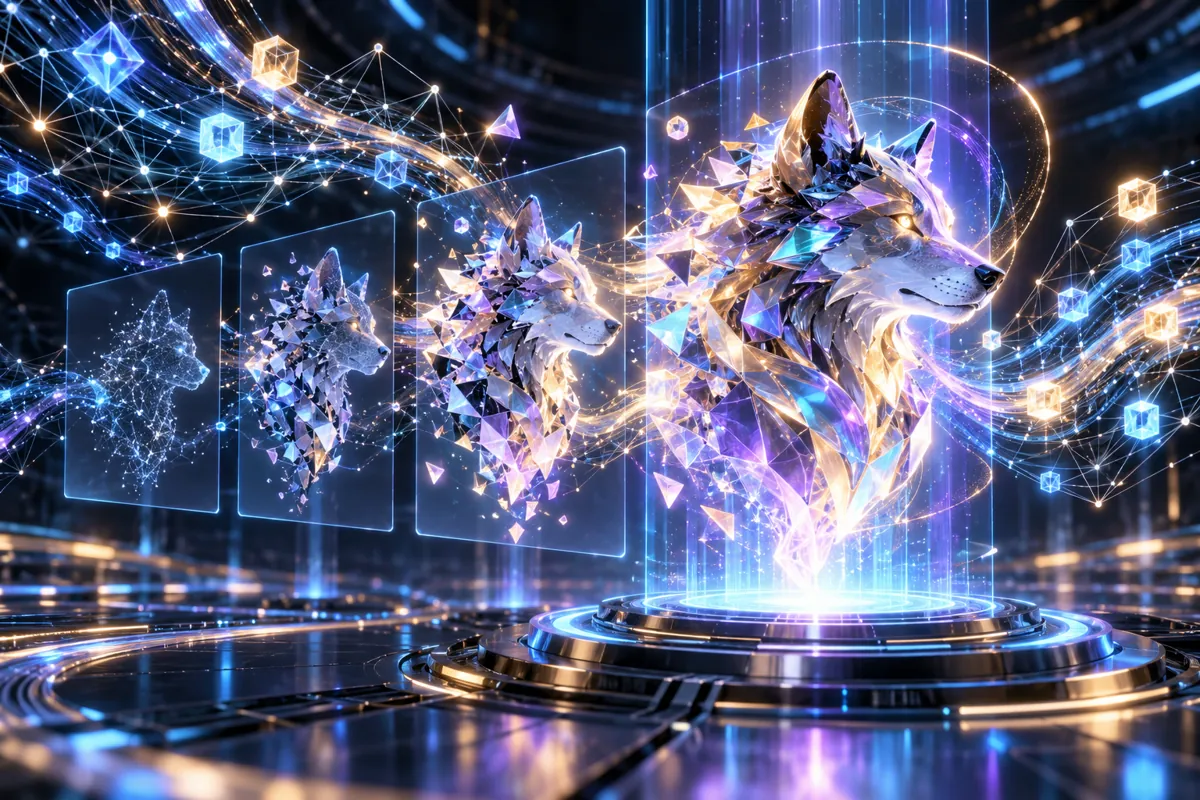
Table of Contents
Most NFTs are static. Once an artist mints a piece, the image and the traits attached to it stay the same forever, no matter what happens in the world around it. Dynamic NFTs break that rule. Their metadata, and sometimes their artwork, can change after the mint, based on data the smart contract receives over time.
For anyone minting collectible art, game items, or membership passes, it helps to understand what a dynamic NFT actually is, how the updates work under the hood, and where this approach makes sense versus where a simple static NFT is still the better choice.
What Makes an NFT “Dynamic”
Every NFT points to a metadata file that describes its name, image, and traits, usually through a function called tokenURI. With a standard static NFT, that file is set once and never touched again. With a dynamic NFT, the smart contract is written so that an authorized process can rewrite the stored data connected to a specific token ID.
The token itself does not change identity. Collectors still hold the same unique asset. What changes is the information the contract reports about it, which can then update the image, a stat block, a rarity tier, or a status flag shown on marketplaces and in wallets.
Where the Update Data Comes From
On-chain triggers
Some dynamic NFTs react to activity that already happens on the blockchain. A loyalty NFT might upgrade its tier after a wallet completes a certain number of transactions, or a game item might level up once a linked achievement is recorded on-chain.
Oracles and real-world data
Many dynamic NFTs rely on an oracle, a service that feeds outside information into a smart contract, because blockchains cannot read the internet on their own. Chainlink is the oracle network most often used for this. A contract can request data on a schedule or after an event, check whether the update conditions are met, and then write new values into the NFT’s stored metadata.
Real Examples Worth Knowing
- LaMelo Ball released a collection of NFTs that used Chainlink Sports Data Feeds to update the cards with his actual season statistics as games were played.
- NBA Top Shot moments are tied to real game outcomes, which has influenced how collectors value individual clips as a player’s season develops.
- Gods Unchained, a trading card game, lets certain cards be upgraded over time as players progress, changing the card’s recorded stats.
- A commonly used teaching example is an NFT that displays a bull or bear illustration depending on whether an asset’s price feed is trending up or down, showing how a price oracle could drive visual changes.
Industry write-ups generally agree that dynamic NFTs are still most common in gaming and fantasy sports today, with broader uses, like tracking real-world assets, discussed more as future potential than current standard practice.
Why Creators Reach for Dynamic NFTs
Dynamic metadata opens up a few things a static image cannot do on its own. A collection can tell a story that unfolds after the mint instead of being fixed at launch. A game can let items grow in visible, verifiable ways. A membership or loyalty program can show status changes directly on the token, without issuing a new one every time something changes.
Trade-offs to Understand Before You Build One
Dynamic NFTs come with extra responsibility, and it is worth weighing these points before choosing this approach over a static mint.
- Who controls the update. Collectors should be able to see which wallet or contract is allowed to change a token’s data, and under what conditions. An update mechanism that is too centralized can undermine the trust a static, immutable NFT normally provides.
- Extra smart contract complexity. Code that writes new data after deployment has more logic to get right, and more logic to review, compared to a simple mint-and-done contract.
- Gas and hosting costs. Writing changes directly on-chain costs gas every time an update happens, which is why many projects keep heavier data off-chain and only store a reference or a hash on-chain.
- Inconsistent display. Not every wallet or marketplace refreshes cached metadata at the same speed, so an update may not appear everywhere at once.
Static Is Still the Right Call for Most Creators
None of this means every artist needs a dynamic contract. If the goal is to mint digital art, photography, or a one-off collectible, a static NFT is simpler to build, easier to audit, and easier for collectors to understand. Dynamic metadata earns its complexity in specific cases: games, sports collectibles tied to real stats, or memberships that need to reflect an ongoing status.
If you are getting started with minting and just want a straightforward way to turn your art into an NFT without writing custom contract logic, the Simple NFT Creator app handles the standard minting flow for you. It is available on the App Store and Google Play.