How to Choose a Blockchain Network for Minting NFTs
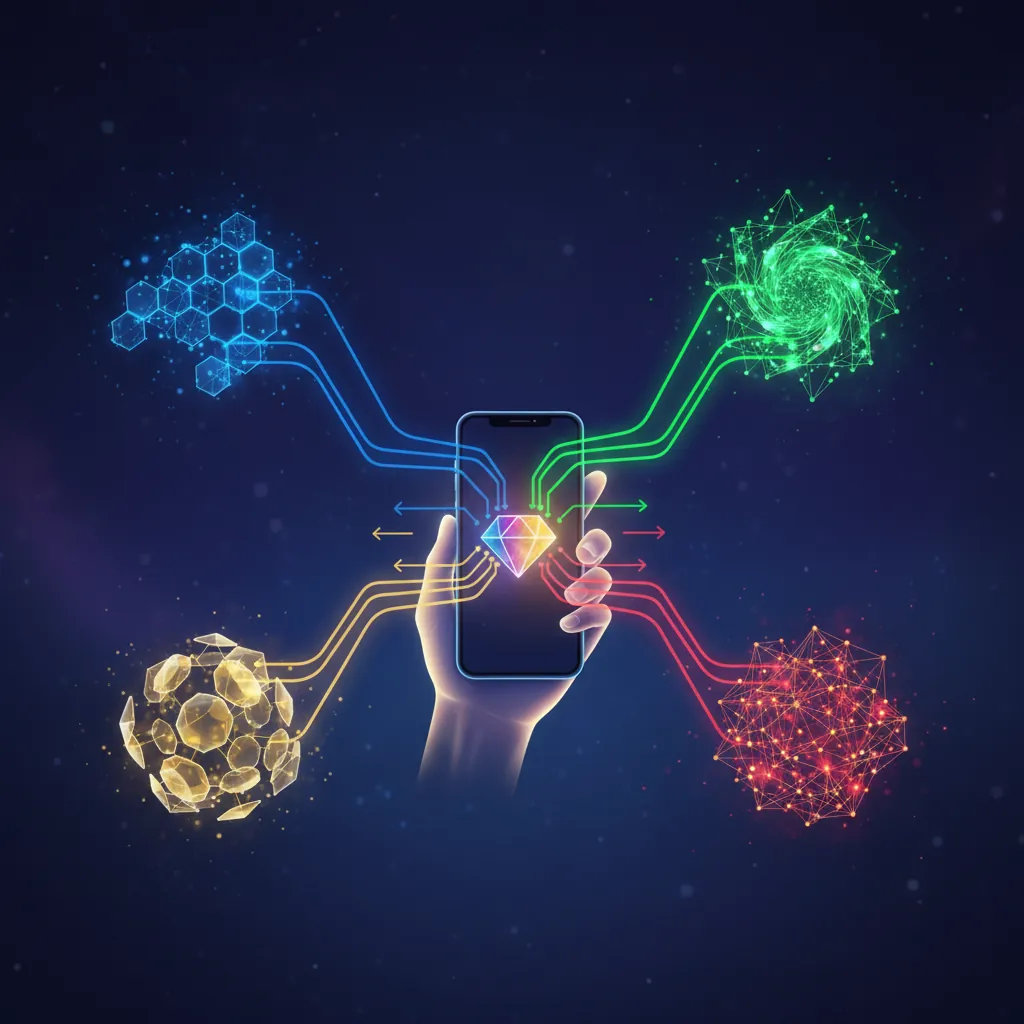
Table of Contents
One of the first real decisions you face when creating an NFT is also one of the most confusing: which blockchain should you mint on? The network you choose affects how much you pay in fees, who can easily buy your work, and which marketplaces will list it. This guide walks through the main options in plain language so you can make a calm, informed choice.
Why the Network Matters
A blockchain is the public ledger that records who owns your NFT. Different blockchains have different costs, speeds, and communities. Picking one is not a permanent life decision, but moving a collection later can be awkward, so it helps to understand the trade offs up front.
Three things tend to matter most for a new creator:
- Fees. The cost to mint and to transfer an NFT, usually paid in the network’s native token.
- Audience. Where collectors already are, and which wallets and marketplaces they use.
- Compatibility. Whether popular tools and marketplaces support that network.
The Main Networks for NFTs
Ethereum
Ethereum is the original home of NFTs and still has the largest, most established collector base. It introduced the ERC-721 and ERC-1155 token standards that most other networks now copy. The trade off is cost. During busy periods, gas fees on Ethereum can be high, sometimes higher than the value of a small piece. Ethereum often makes sense for higher value work or for creators who specifically want access to its deep market.
Polygon
Polygon is a separate network that is fully compatible with Ethereum tooling. Its main appeal is very low fees, which makes it friendly for beginners and for high volume collections. Many large marketplaces support Polygon, and several brands have used it for accessible, low cost drops. If you want to experiment without spending much, Polygon is a common starting point.
Base
Base is a newer layer 2 network built on top of Ethereum and incubated by Coinbase. It offers low fees and fast transactions while inheriting Ethereum’s security. Because of its Coinbase connection, onboarding can feel smoother for people new to crypto. Base has grown quickly as a place for creators who want low costs and a fresh, active community.
Avalanche
Avalanche is known for fast finality and low fees on its C-Chain, which is compatible with Ethereum style smart contracts. It has an active ecosystem and is a solid option if you value speed. Its NFT market is smaller than Ethereum’s, so it can suit creators who already have an audience there or who simply prefer its performance.
How to Decide
There is no single best network, only the best fit for your goals. A few simple questions can narrow it down.
- What is your budget? If you want to keep costs near zero while learning, a low fee network like Polygon or Base is sensible. If cost is not a concern and you want maximum reach, Ethereum is worth considering.
- Where is your audience? If your collectors or community already use a particular wallet or network, meet them there rather than asking them to learn something new.
- How many NFTs will you mint? Large collections multiply fees quickly, so low cost networks are usually kinder for big drops.
- Which marketplace do you want to sell on? Check that your chosen marketplace supports the network before you mint, not after.
A Few Things to Keep in Mind
Whatever you choose, you will need a small amount of the network’s native token to cover fees. For Ethereum and Base that is ETH, for Polygon it is POL, and for Avalanche it is AVAX. Always double check that you are sending funds and minting on the correct network, since assets on one chain are not automatically visible on another.
It is also wise to start small. Mint a single test piece, confirm it appears in your wallet and on your chosen marketplace, and only then commit to a full collection. This habit catches mistakes early and saves both money and stress.
Finally, remember that fees and network conditions change over time. The figures and reputations described here reflect general patterns, not fixed rules. When in doubt, check current fees in your wallet before you confirm a transaction.
Get Started
You do not need to be a developer to put any of this into practice. With Simple NFT Creator you can design and mint your work across multiple networks from your phone, which makes it easy to try a low fee chain first and learn as you go. The app is available on the App Store and Google Play.