What Are Layer 2 Networks? Cheaper NFT Minting Explained
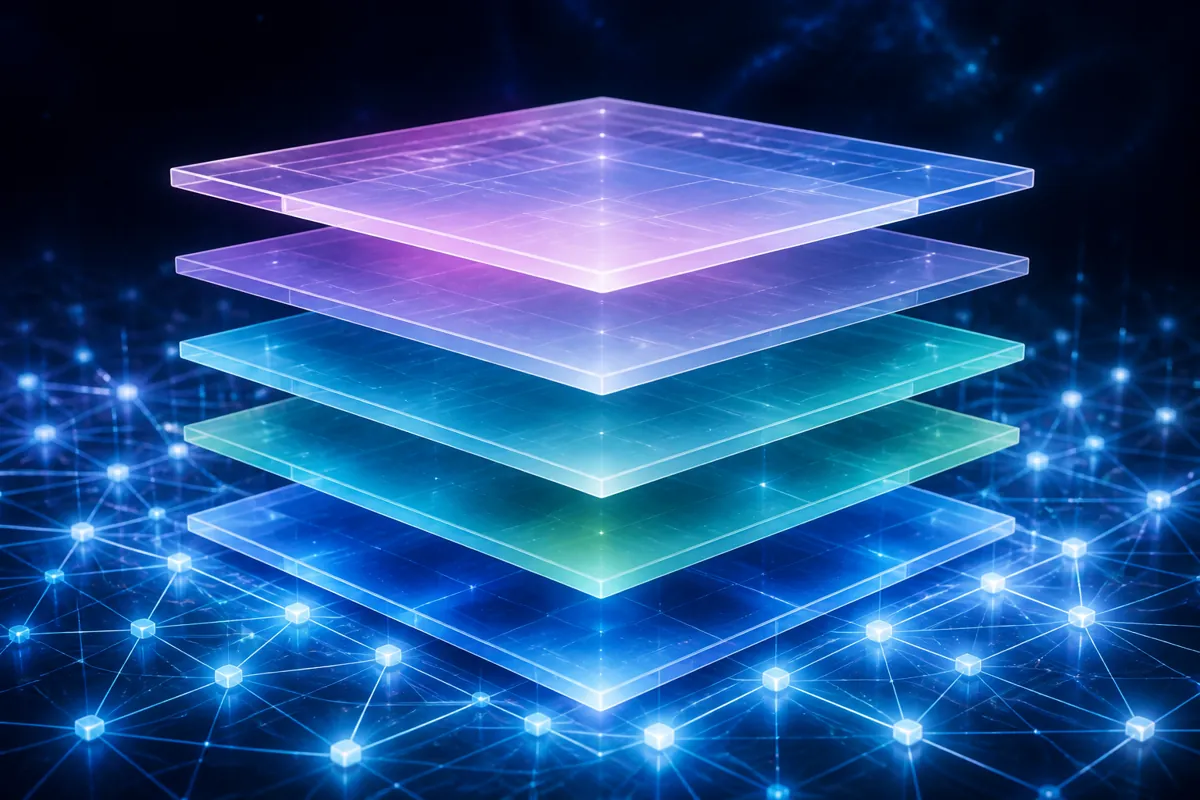
Table of Contents
If you have ever opened a wallet to mint an NFT and watched the estimated gas fee climb past the price of the item itself, you have run into the main reason Ethereum built a second layer. Layer 2 networks were designed to keep Ethereum’s security while moving most of the transaction load somewhere cheaper and faster. Today, most NFT collections you will see minting are not launching directly on Ethereum mainnet at all. They are launching on a Layer 2.
What Is a Layer 2 Network?
A Layer 2 (often shortened to L2) is a separate network that runs on top of Ethereum (Layer 1) and periodically posts a summary of its activity back to it. Instead of every mint, transfer, and trade being processed and paid for individually on Ethereum, an L2 batches thousands of these actions together, then submits that batch to Ethereum in a single transaction. Ethereum still verifies that the batch is valid, so users inherit its security guarantees, but the cost of that verification is spread across everyone in the batch instead of falling on one person.
This batching is what makes minting on an L2 cost cents instead of dollars. It is also why an NFT minted on a Layer 2 is still considered to have Ethereum level security, even though the minting transaction itself never touched Ethereum mainnet directly.
How Rollups Work
Most Layer 2 networks relevant to NFTs are built as rollups, meaning they roll up a batch of transactions and post proof of that batch to Ethereum. There are two main approaches.
Optimistic Rollups
Optimistic rollups, used by networks like Arbitrum, Base, and Optimism, assume transactions are valid by default. After a batch is posted, there is a challenge period, commonly up to seven days, during which anyone watching the network can submit a fraud proof if they spot an invalid transaction. If nobody challenges it, the batch is treated as final. This design keeps the system simple and cheap to run, at the cost of a longer wait if you ever want to withdraw funds back to Ethereum mainnet.
ZK Rollups
ZK (zero knowledge) rollups take a different approach. Instead of waiting for someone to catch fraud, they attach a mathematical proof, called a validity proof, to every batch, confirming the transactions are correct before the batch is ever accepted. This means withdrawals back to Ethereum can clear in hours rather than days. The tradeoff has historically been more complex engineering to build applications on top of ZK rollups, though this gap has narrowed considerably as the technology has matured.
Layer 2 Networks You Will See NFT Collections On
A handful of networks account for most of the NFT minting activity happening off Ethereum mainnet today.
- Polygon, one of the earliest and most widely adopted networks for NFT projects, known for very low mint costs and broad marketplace support.
- Base, built by Coinbase on the OP Stack, which has become popular for consumer facing NFT and social apps.
- Arbitrum, generally the largest Layer 2 by activity, with a growing NFT ecosystem alongside its DeFi usage.
- Optimism, one of the original optimistic rollups and the technical foundation several other networks, including Base, are built on.
Gas fees on these networks are typically a small fraction of a cent to a few cents per transaction, compared to fees that can run into tens of dollars on Ethereum mainnet during busy periods. Costs shift over time as network conditions and Ethereum’s own upgrades change, so treat any specific number as a snapshot rather than a promise.
What to Check Before You Mint on an L2
Layer 2 networks solve the cost problem, but they introduce a few things worth checking before you mint or buy.
- Wallet network setting. Your wallet needs to be connected to the same network the collection is minting on. Sending funds or attempting a mint on the wrong network is a common and avoidable mistake.
- Funding the right network. You cannot spend Ethereum mainnet ETH directly on Polygon or Arbitrum. Funds need to be bridged or purchased directly on that network first, which is its own topic worth understanding before you move value between chains.
- Marketplace support. Not every marketplace lists every network. Confirm the collection you want is actually listed where you plan to buy or sell before you mint.
- Where the metadata and files live. The network choice affects gas costs, not where your NFT’s image or metadata is stored. That is a separate decision the project makes, typically using IPFS or Arweave regardless of which chain the token itself lives on.
The Bigger Picture
Layer 2 adoption is one of the main reasons minting an NFT today rarely means paying the eye watering fees that were common a few years ago. For anyone creating or collecting digital art, understanding which network a collection lives on, and what that choice means for cost and withdrawal speed, is now a basic part of evaluating any mint.
If you are minting your own art rather than collecting someone else’s, the Simple NFT Creator app walks you through choosing a network and minting directly from your phone, without needing to manage a separate desktop wallet setup. It is available on the App Store and Google Play.