Are NFTs Bad for the Environment? What Changed in 2022
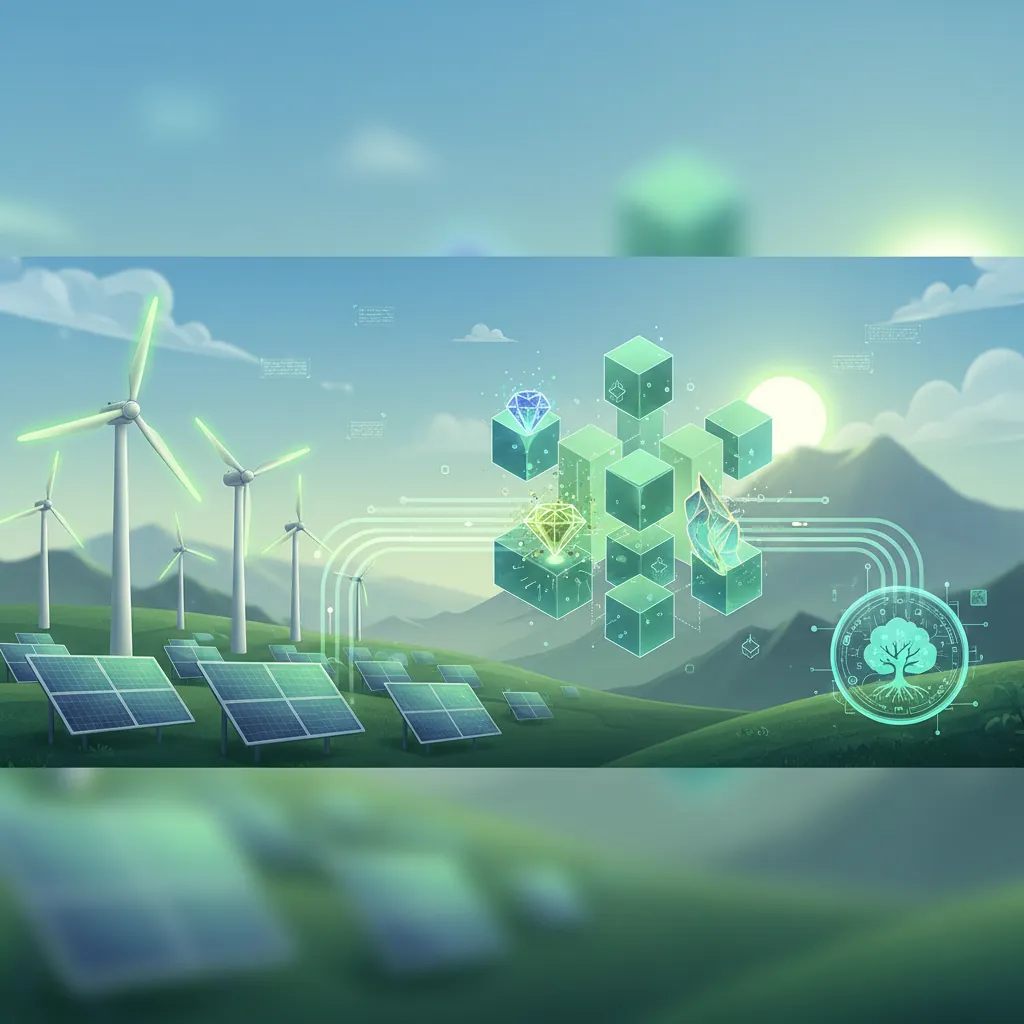
Table of Contents
Why NFTs Got a Bad Environmental Reputation
If you started reading about NFTs a few years ago, you probably ran into articles calling them an environmental disaster. That criticism was not made up. In the early days of NFTs, most collections were minted on Ethereum, and Ethereum ran on a system called proof of work, the same energy intensive method Bitcoin still uses today. Under proof of work, a global network of computers competes to solve complex calculations, burning large amounts of electricity in the process. A single Ethereum transaction back then could use as much power as an average household used in several days.
That history is real, and it is fair for anyone new to NFTs to ask whether minting one still carries that kind of cost. The good news is that the answer has changed a lot since those early reports, and it is worth understanding why before you assume the old numbers still apply.
What Changed: The Shift to Proof of Stake
Ethereum’s Merge
On September 15, 2022, Ethereum completed an upgrade known as the Merge, switching the entire network from proof of work to proof of stake. Instead of computers competing to solve puzzles, proof of stake works by having validators lock up, or stake, their own ETH as a form of collateral. Validators are then selected to confirm transactions based on their stake and track record, with no energy intensive competition involved.
The result was dramatic. Independent estimates, including analysis published by the Ethereum Foundation and reported by outlets like Forbes and Fidelity, put the network’s energy consumption drop at roughly 99.95 percent after the Merge. Annual energy use fell from tens of terawatt hours to well under 0.01 terawatt hours, and the estimated carbon footprint of a single transaction dropped from over 100 kilograms of CO2 to a small fraction of a gram. Since a large share of NFT activity happens on Ethereum or on networks built on top of it, this single upgrade changed the environmental math for a huge portion of the NFT space almost overnight.
Other Low Energy Networks
Ethereum is not the only chain relevant to NFT creators. Many popular minting options today, including Polygon, Base, and Solana, already use proof of stake or similar low energy consensus methods rather than proof of work. Polygon operates as a proof of stake network built to work alongside Ethereum. Base is an Ethereum layer 2 network, meaning it inherits Ethereum’s proof of stake security rather than running its own separate energy intensive process. Solana uses a combination of proof of stake and a timing mechanism called proof of history to confirm transactions efficiently. In practice, this means most of the popular networks available in mobile minting apps today were designed with energy efficiency in mind from the start, or have already made the switch.
How Much Energy Does Minting an NFT Take Today
On a modern proof of stake network, minting a single NFT typically uses an amount of energy comparable to sending a few emails or browsing the web for a few minutes, rather than the household appliance comparisons that circulated a few years ago. The exact figure depends on the specific network and how busy it is at the time, but the order of magnitude is nowhere near what proof of work chains required. This is one reason it is worth paying attention to which network you mint on, since the choice still matters even if the overall picture has improved.
What Still Uses a Lot of Energy
None of this means every corner of the crypto world is now low impact. Bitcoin still runs on proof of work, and it remains the largest energy consumer in the crypto industry by a wide margin. Some smaller or legacy blockchain projects also still use proof of work. There are also valid ongoing conversations about the electronic waste generated by specialized mining hardware once it becomes obsolete, and about the broader energy mix, meaning how much of that electricity comes from renewable versus fossil fuel sources, which varies by region and by network.
So while the specific claim that NFTs are inherently high energy is largely outdated for anyone minting on modern proof of stake networks, it is still reasonable to be a thoughtful and informed creator rather than assuming the topic is fully settled.
How to Mint More Sustainably
- Choose a proof of stake network. Ethereum, Polygon, Base, and Solana are all reasonable choices from an energy standpoint.
- Avoid unnecessary duplicate mints. Test your artwork and metadata before minting your final version rather than minting the same piece repeatedly.
- Consider lazy minting when available. Some platforms let you list an NFT and only complete the on chain minting transaction once it actually sells, reducing wasted transactions for pieces that never find a buyer.
- Batch your work when possible. Minting a full collection through a single deployment process is generally more efficient than many one off transactions.
The Bottom Line
The environmental criticism aimed at NFTs in their early years was grounded in how Ethereum and similar networks actually worked at the time. Since Ethereum’s move to proof of stake in 2022, and with most major NFT friendly networks already using proof of stake or comparable low energy methods, the energy footprint of minting a typical NFT today is a small fraction of what it once was. Bitcoin’s proof of work model remains an exception worth knowing about, but it has little bearing on NFTs minted on the networks most creators actually use.
If you are ready to mint your own digital art, photography, or collectibles on an energy efficient network, the Simple NFT Creator app makes the process straightforward from your phone, with no coding required. It is available on the App Store and Google Play.