NFT Metadata Explained: What It Is and Why It Matters
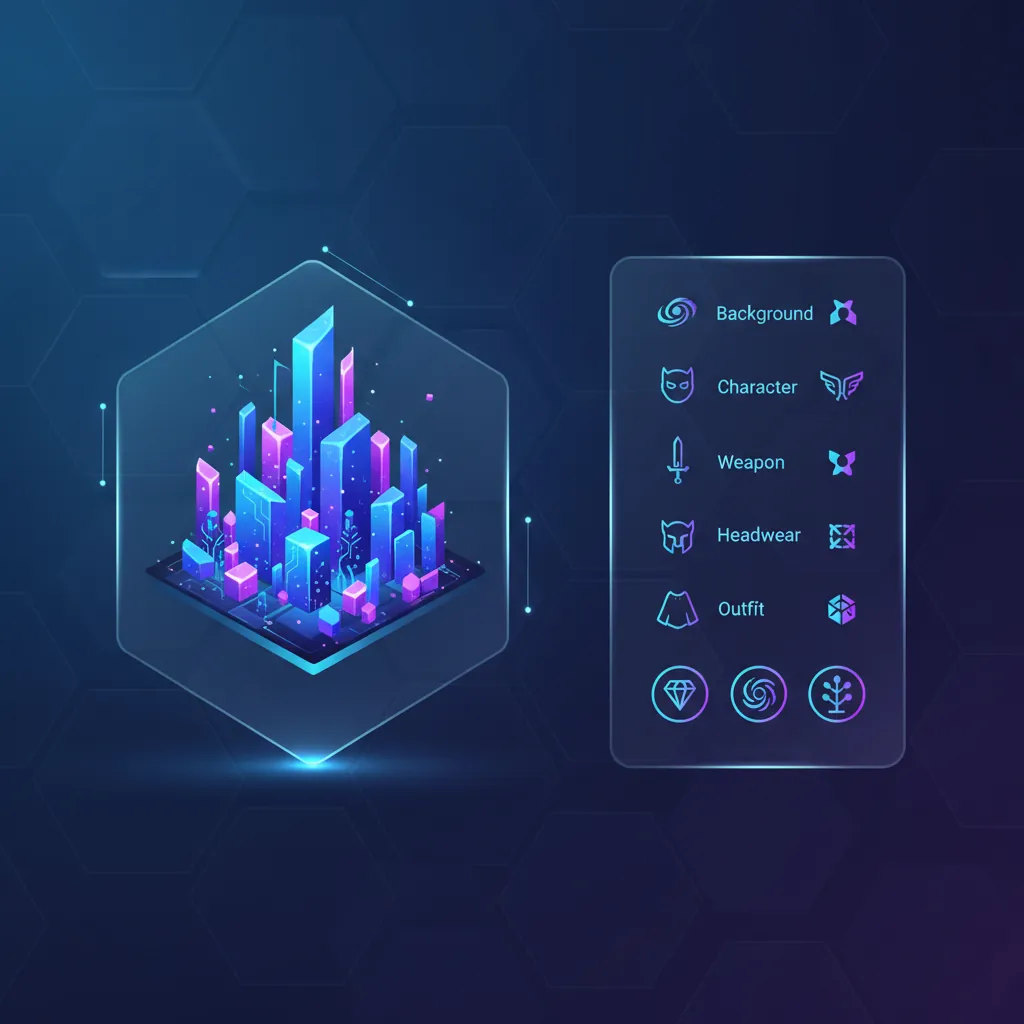
Table of Contents
When you mint an NFT, the picture you see is only part of the story. Behind every token sits a small file called metadata. It holds the name, the description, the link to the image, and any traits you added. Understanding metadata helps you create cleaner collections, avoid broken listings, and know exactly what a buyer receives. This guide explains what NFT metadata is, how it is structured, and why it matters for anyone minting from a mobile app.
What Is NFT Metadata?
An NFT on a blockchain is mostly a record of ownership. It says which wallet owns which token in which collection. The blockchain does not usually store the artwork itself, because storing large images on chain is expensive. Instead, the token points to a metadata file, and that file points to the image or video.
Think of metadata as the label on a product. The label tells you the name, what is inside, and its properties. In the NFT world, this label is a small text file written in a format called JSON. When a marketplace or wallet displays your NFT, it reads this file to know what to show.
What Is Inside a Metadata File?
Most NFT metadata follows a widely used pattern that marketplaces understand. A typical file includes a few core fields:
- name: the title of the individual token, for example “Sunset Study 04”.
- description: a short text that explains the piece or the collection.
- image: a link to the artwork, often stored on IPFS or Arweave.
- attributes: an optional list of traits, such as background color, rarity, or edition number.
The attributes section is where collections get their personality. Each trait usually has a type and a value, for example a trait type of “Background” with a value of “Blue”. Marketplaces read these traits to build filters, so buyers can browse by property. If you plan a large set, consistent trait naming makes your collection easier to explore.
On Chain and Off Chain Metadata
There are two broad ways to store metadata, and each has trade offs.
Off chain metadata lives outside the blockchain, usually on a decentralized storage network like IPFS or Arweave. The token stores only a link, called a token URI, that points to the file. This approach is common because it is cheap and flexible. The main risk is link reliability. If the file is not stored on durable storage, it can disappear, which leaves the NFT pointing to nothing.
On chain metadata stores the data directly inside the smart contract. This makes the NFT fully self contained, so it does not depend on any outside server. The downside is cost and size limits, since blockchains charge for every byte. On chain storage is often used for small generative art or text based projects rather than large images.
For most creators using a mobile minting app, off chain metadata on IPFS or Arweave is the practical default. If you want to learn more about those storage networks, see our guide on where NFTs are stored.
What Is a Token URI?
The token URI is the address that connects a token to its metadata. When a wallet wants to display token number 12, it asks the smart contract for that token’s URI, then fetches the JSON file at that address, then loads the image the file points to. This chain of links is why storage choices matter. Every step needs to stay reachable for the NFT to display correctly over time.
Can Metadata Change After Minting?
It depends on how the collection was built. Some projects use immutable metadata, meaning the file is fixed and cannot be edited after minting. Immutability gives buyers confidence that the artwork and traits will not be swapped later. Other projects use mutable metadata, which can be updated. Mutable metadata is useful for evolving art or games, but it also requires trust, because the creator can change what a token shows.
If you are minting collectible art, immutable metadata on durable storage is usually the safer and more respected choice. Buyers tend to value permanence, and it reduces the chance of accidental broken links.
Common Metadata Mistakes to Avoid
- Broken image links: if your image is hosted on a temporary server, it may vanish. Prefer decentralized, persistent storage.
- Inconsistent traits: mixing “Blue” and “blue” as values splits your filters and confuses buyers.
- Empty descriptions: a clear description helps collectors understand and trust the piece.
- Wrong image size or format: preparing your artwork before minting keeps the display crisp across wallets.
A little care at the metadata stage saves a lot of cleanup later, since edits after minting can be limited or impossible.
Why Metadata Matters for Creators
Metadata is the bridge between your creative work and the people who view it. It decides how your NFT appears, how it can be filtered, and how durable the connection to your artwork is. Good metadata makes a collection look professional and trustworthy. Weak metadata can leave a token looking blank or unfinished, even if the underlying art is strong.
The good news is that you do not need to write JSON by hand. A minting tool handles the structure for you. Your job is to provide a clear name, a thoughtful description, and consistent traits, then choose durable storage.
Get Started
If you want to create an NFT with clean metadata without touching code, the Simple NFT Creator app guides you through naming, describing, and minting your work. It is available on the App Store and Google Play, so you can prepare and mint directly from your phone.