What Is NFT Wrapping? Giving Old Tokens a New Contract
Table of Contents
What Wrapping Means for an NFT
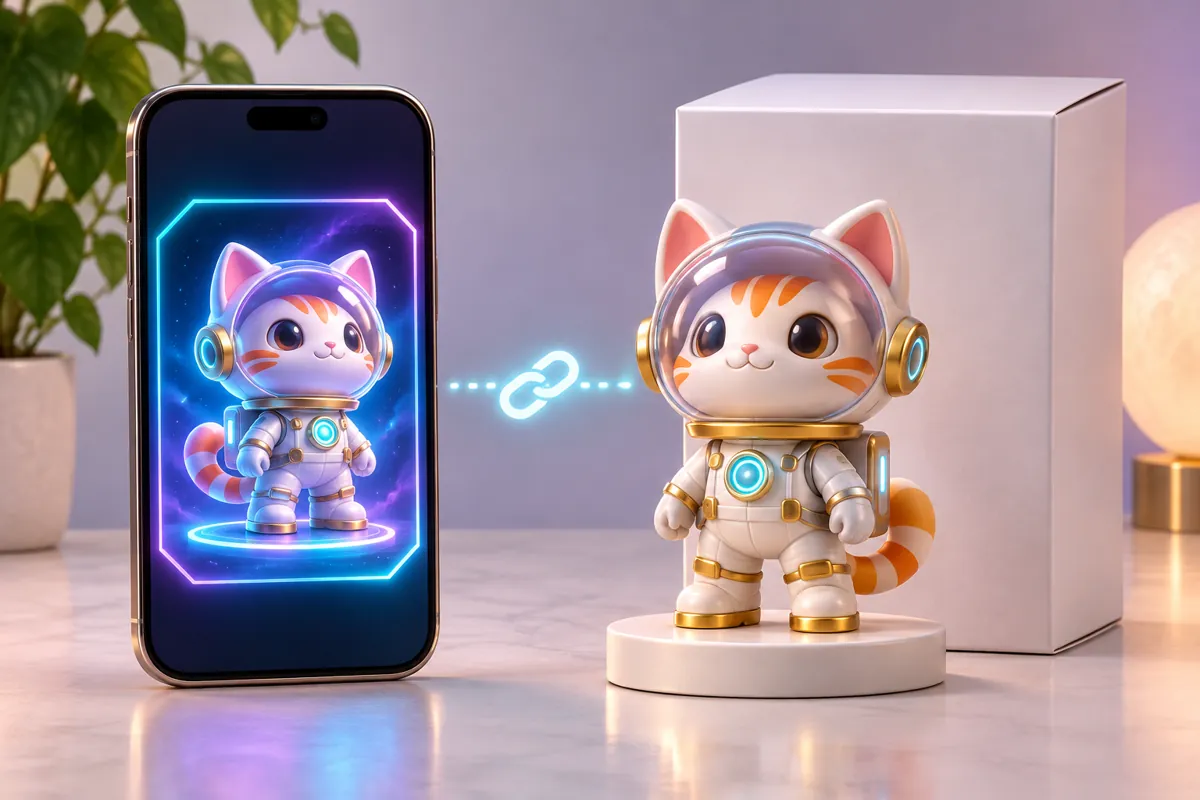
Wrapping is a way to give an existing token a new, standards compliant shell without destroying the original asset. In practice, the old token gets locked in a contract, and a new token, built to a current standard like ERC-721 or ERC-1155, is minted to represent it. The wrapped token can then move freely through marketplaces, lending platforms, and wallets that only know how to read the current standards. Unwrap it later, and the lock releases, handing back the original.
This sounds like a niche technical detail, but it solves a real problem. NFT standards did not arrive all at once, and a handful of early, important collections were built before today’s conventions existed. Wrapping is the bridge that lets those older tokens keep working as the ecosystem around them moves on.
The Clearest Example: CryptoPunks
CryptoPunks is the case most people run into first. The original CryptoPunks contract predates ERC-721, the standard that most NFT marketplaces, wallets, and tools are built around. Because of that, Punks could not plug into the newer NFT tooling the same way a standard ERC-721 collection could.
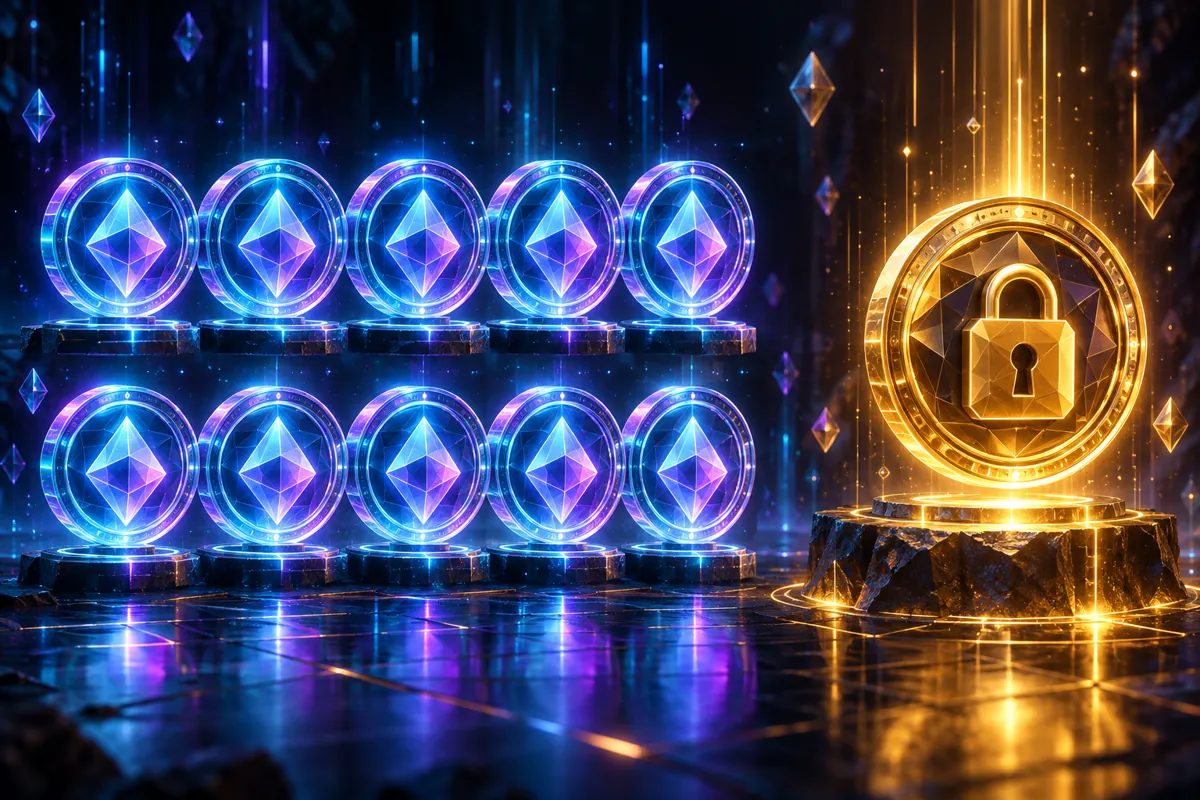
The fix was Wrapped Punks: a contract that locks an original CryptoPunk and mints an ERC-721 token in its place. The wrapped version behaves like any other modern NFT, while the original Punk sits untouched in the wrapper contract until someone unwraps it. In December 2023, Yuga Labs, which had acquired the CryptoPunks IP, released its own wrapper called CryptoPunks 721, built around something it calls the Stash Engine. The Stash Engine tracks all 10,000 Punks and knows in advance which address each one’s “stash” would sit at if it were ever wrapped, which keeps the process predictable and auditable.
Wrapping unlocked practical use cases for Punk holders that were awkward or impossible before, like using a Punk as collateral for a loan on a lending protocol that only understands ERC-721 tokens. None of that requires selling the Punk. It just requires the wrapped version existing alongside the original.
A Broader Pattern, Not Just One Collection
The same lock-and-mint idea shows up outside the CryptoPunks story, most often when a token needs to exist on a different chain than the one it was minted on. A native NFT gets locked on its home chain, and a corresponding wrapped token is minted on the destination chain so it can be used there. Unwrapping, or bridging back, reverses the process. The technical details vary a lot between implementations, and not every project uses the same token standard for the wrapped side, so treat any specific bridge’s mechanics as something to verify directly with that project rather than assuming it works exactly like another one.
The common thread across every version of wrapping is the same: lock the original, mint a compatible stand in, and keep a reliable way to reverse it.
Why This Matters If You Are Not Holding CryptoPunks
If you mint through a modern tool, including an app like Simple NFT Creator, your tokens are already issued on a current standard from day one. There is nothing to wrap, because there is no legacy format to work around. Wrapping exists specifically for assets that were created before the conventions everyone now builds on, or that need to move somewhere the original contract was never designed to reach.
That said, it is worth understanding the concept even if you never touch a wrapped token yourself. Collectors occasionally ask whether a listing is the “real” version of a collection or a wrapped one, and the two can trade at different prices or carry different utility. Knowing that wrapping is a legitimate, reversible mechanism, not a knockoff or a copy, helps you read those listings correctly.
What to Check Before Wrapping Anything
- Confirm the contract is official. Wrapper contracts are a known phishing target. Fake wrapping sites have tricked holders of valuable collections into approving the wrong contract. Only use a wrapper linked from the project’s own verified channels.
- Expect gas costs on both ends. Wrapping and unwrapping are each on chain transactions, so budget for network fees in both directions, not just once.
- Understand that wrapping adds a contract to trust. The original asset is now only as safe as the wrapper holding it. That is a reasonable trade for the utility it unlocks, but it is a trade, not a free upgrade.
- Check whether you actually need it. If the marketplace or platform you want to use already supports the original contract, there may be no reason to wrap at all.
The Takeaway
NFT wrapping is a practical patch for a specific problem: an asset built on an older or incompatible contract that needs to work with today’s standards, tools, or chains. It is reversible, it is well established for collections like CryptoPunks, and it is not something most new creators ever need to think about, since tokens minted on a current standard are compatible from the start. If you are starting a new collection rather than working around an old one, the simplest path is to mint on a standard that already works everywhere, which is exactly what apps like Simple NFT Creator are built to do, available on the App Store and Google Play.