NFT Ownership vs Copyright: What Minting Really Gives You
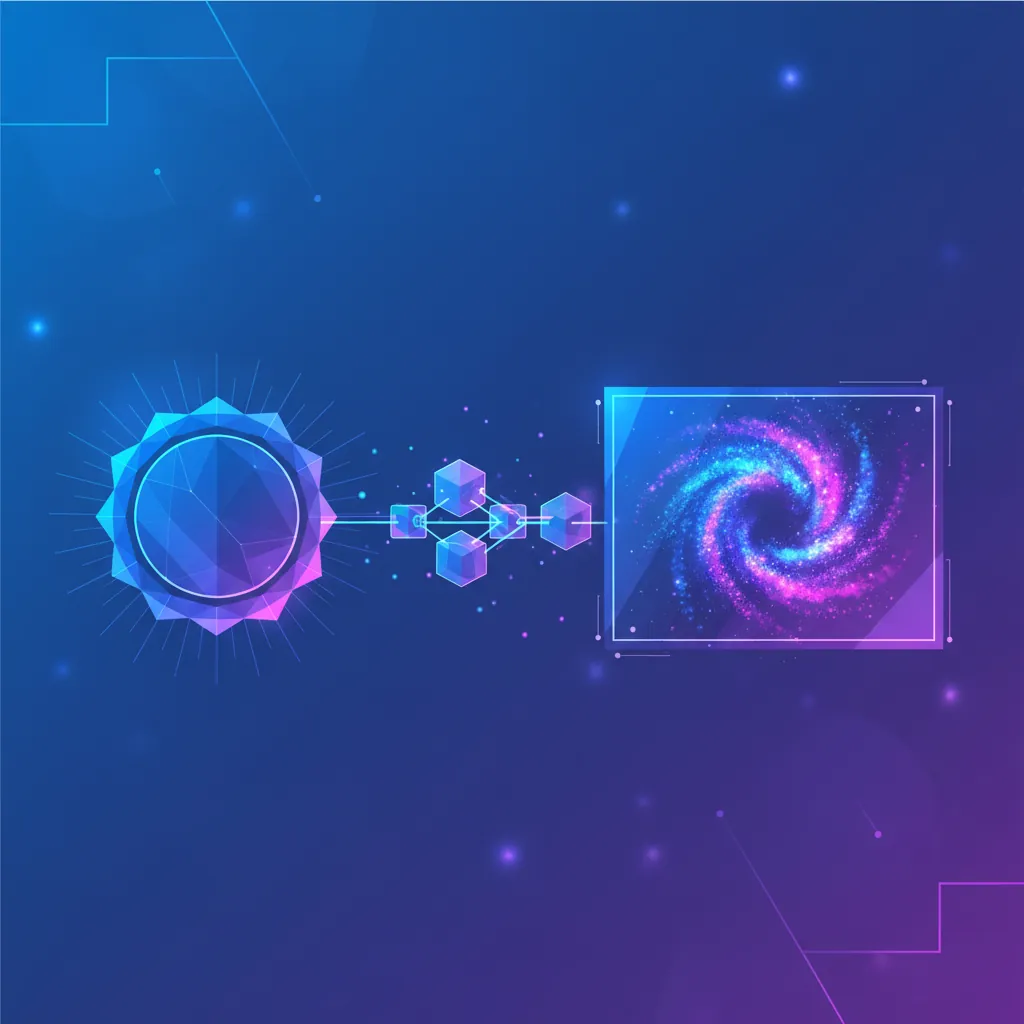
Table of Contents
One of the most common misunderstandings among new NFT creators and collectors is the difference between owning an NFT and owning the copyright to the artwork behind it. These are two separate things, and mixing them up can lead to disappointment or even legal trouble. This guide explains what minting an NFT actually gives you, what it does not, and how to think about rights before you publish your work.
This article is general information, not legal advice. Copyright rules differ by country, so consult a qualified lawyer for your specific situation.
What minting actually creates
When you mint an NFT, you create a token on a blockchain. That token is a record of ownership that points to metadata, which usually includes a link to an image or file stored somewhere like IPFS or Arweave. The token proves who holds it and lets it be transferred or sold. What the token does not do is change who holds the copyright to the underlying artwork.
In other words, the NFT is a certificate that lives on the chain. The creative work it references still follows the normal rules of copyright law, exactly as it would if you had never minted anything.
Copyright stays with the creator by default
In most jurisdictions, copyright belongs to the person who created a work the moment it is fixed in a tangible form. Minting does not register that copyright, and it does not transfer it. If you draw an illustration and mint it, you still own the copyright unless you sign it away in writing.
This has a practical consequence. When someone buys your NFT, they receive the token, but they do not automatically receive the right to reproduce, sell prints of, or build a brand around your artwork. Any commercial rights a buyer gets must be granted explicitly, usually through a license attached to the collection.
What a buyer typically receives
When a collector buys an NFT, what they get depends entirely on the terms the creator set. Common arrangements include:
- Personal use only. The holder can display the artwork and show it off, but cannot use it commercially. This is a frequent default.
- Limited commercial rights. Some projects grant holders the right to make money from their specific NFT, often up to a revenue cap.
- Public domain style licenses. Some creators release the art under a license such as Creative Commons Zero, which waives most rights and lets anyone use the image freely.
Because these terms vary so much, both creators and buyers should read the license before assuming anything. A token on its own does not spell out usage rights.
Why the distinction matters for creators
If you plan to mint your own work, the copyright question cuts in two directions.
First, you can only mint what you have the rights to. Minting an image you found online, a screenshot from a film, a photo you did not take, or fan art of a protected character can be copyright infringement. The blockchain does not verify ownership of the underlying work, so the responsibility sits with you. Turning someone else’s art into an NFT does not make it yours.
Second, you get to decide what rights you pass on. If you want buyers to be able to use your art commercially, you need to say so clearly. If you want to keep those rights, that is your default, but stating it plainly avoids confusion. Being explicit protects both you and your collectors.
Royalties are a separate concept
People sometimes confuse copyright with royalties. On many platforms, a creator can set a royalty percentage so they earn a share each time the NFT is resold. That is a marketplace and smart contract feature, not a copyright right. Royalty enforcement also depends on the platform, and some marketplaces have made royalties optional. Keeping these ideas separate helps you set realistic expectations about future earnings.
Practical steps before you mint
A few habits make the ownership picture much clearer:
- Confirm you created the work or have written permission to use it.
- Decide what rights, if any, you want to grant buyers, and write them down in plain language.
- Keep your original files and any proof of authorship in case a dispute arises.
- If your work uses fonts, stock assets, or samples, check that their licenses allow this kind of use.
- For anything high value or commercial, get advice from a lawyer who understands intellectual property.
The takeaway
Minting an NFT gives you a verifiable token on a blockchain, not a new copyright and not a transfer of one. The creator keeps the copyright unless they clearly grant otherwise, and buyers receive only the rights the license spells out. Understanding this from the start keeps your creative work protected and your collectors informed, which is a healthier foundation than assuming the token settles everything.
If you are ready to create and mint your own art, Simple NFT Creator makes the process straightforward from your phone. It is available on the App Store and Google Play.