NFT Traits and Rarity Explained: How Rankings Work
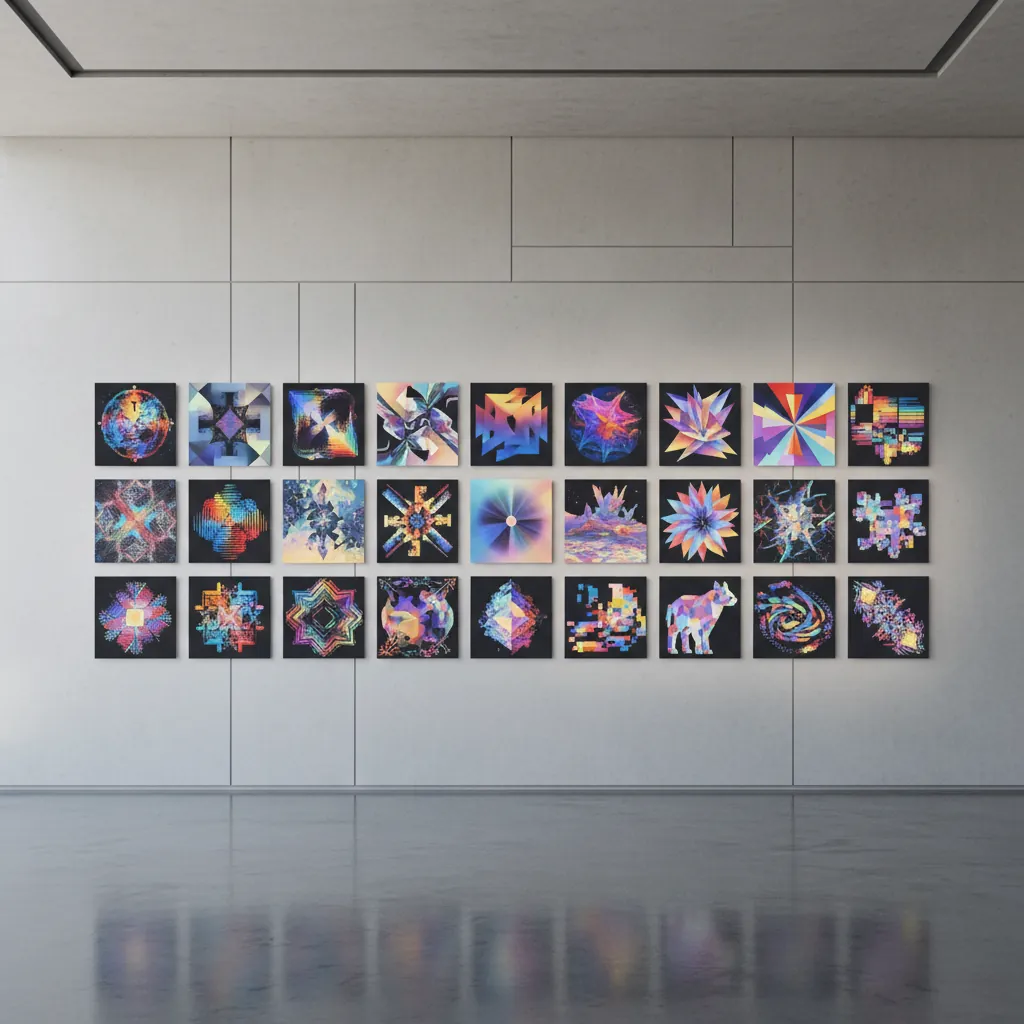
Table of Contents
If you have browsed an NFT collection and noticed some items listed for far more than others, traits and rarity are usually the reason. Two pieces from the same drop can look similar at a glance, yet one might be worth several times more because of the specific combination of attributes it carries. This guide explains what traits are, how rarity scores are calculated, and why the topic matters whether you are collecting, evaluating, or minting your own NFT collection.
What Are NFT Traits?
Traits, sometimes called attributes, are the individual characteristics that make up a piece of generative NFT art. A profile picture (PFP) collection is the clearest example: a project might generate thousands of unique characters by combining a background, a body type, a set of eyes, a headwear item, and an accessory. Each of those categories is a trait, and each possible option within a category (for example, five different backgrounds) is a trait value.
This information is not just visual. It typically lives in the NFT’s metadata, the structured data file (often JSON) that describes the token. A well-formed metadata file lists every trait and value for a given NFT, which is what allows marketplaces and rarity tools to read and compare items across an entire collection.
Single NFTs vs Trait-Based Collections
Not every NFT has traits. A single 1/1 photograph or illustration is usually just one image with no combinatorial attributes. Traits become relevant specifically for generative or programmatic collections, where an algorithm assembles many unique tokens from a shared pool of layered assets. If you are minting one-of-a-kind art, rarity scoring generally does not apply. If you are planning a larger collection with repeatable layers, understanding traits early can help you design a fairer, more interesting distribution.
How Rarity Scores Are Calculated
Once a collection’s traits are known, rarity tools can estimate how uncommon each individual NFT is relative to the rest of the set. There are two calculation methods that show up most often.
Average Trait Rarity
This method adds up the rarity percentage of each trait an NFT has, then divides by the number of traits. For example, an NFT with one trait present in 20% of the collection and another present in 10% would have an average trait rarity of 15%. It is simple to understand, but it has a known weakness: a single extremely rare trait gets diluted if the rest of the NFT’s traits are common, so the overall score does not always reflect a standout feature.
Statistical Rarity
This method multiplies the rarity of every trait together instead of averaging them. Using the same example, a 20% trait and a 10% trait would produce a combined statistical rarity of 2% (0.20 x 0.10). Because rare traits pull the product down sharply, this method tends to reward specific rare combinations more heavily than the average method does. It is the calculation most rarity ranking tools use by default, since it captures how unlikely the entire combination is, not just how uncommon any single piece of it happens to be.
Neither method is officially standardized across the industry, so it is common to see two different tools rank the same collection slightly differently. If rarity matters to you, check which method a tool uses before comparing numbers across platforms.
Why Rarity Matters
- For collectors: rarity is one input (not the only one) that buyers use to judge scarcity within a collection, alongside the project’s reputation, the artwork’s aesthetic appeal, and overall demand.
- For creators: planning trait distribution ahead of a mint affects how the collection feels once it is complete. Reserving certain visual elements for a small percentage of tokens is a deliberate design decision, not an accident.
- For due diligence: comparing an NFT’s listed price to its rarity rank can help you spot listings that look overpriced relative to the rest of the collection, or notice undervalued pieces with rare trait combinations.
It is worth being clear that rarity is not a guarantee of future value. A statistically rare trait combination only matters if buyers in that particular market actually value it. Treat rarity scores as one piece of context, not a price prediction.
What Is a Reveal?
Many generative collections use a “reveal” process. NFTs are minted first with a placeholder image, and the actual artwork and traits are only assigned and displayed afterward, usually on a set date or once the whole collection has sold out. This is meant to keep trait distribution unbiased during the mint itself, since neither the buyer nor, ideally, the creator knows which specific combination a given token will end up with in advance. Once revealed, the final metadata (including traits) becomes visible on marketplaces and rarity tools.
Getting Started With Your Own Collection
If you are building a collection rather than a single artwork, think about traits early. Decide which categories you want (background, character type, accessories, and so on), how many values each category will have, and whether you want a handful of intentionally rare combinations. Clear, consistent metadata makes it much easier for marketplaces and rarity tools to read your collection correctly once it is minted.
Simple NFT Creator, available on the App Store and Google Play, makes it straightforward to prepare your artwork and mint NFTs directly from your phone, whether you are creating a single piece or building out a themed collection.