What Is NFT Staking? How Locking Your NFT Earns Rewards
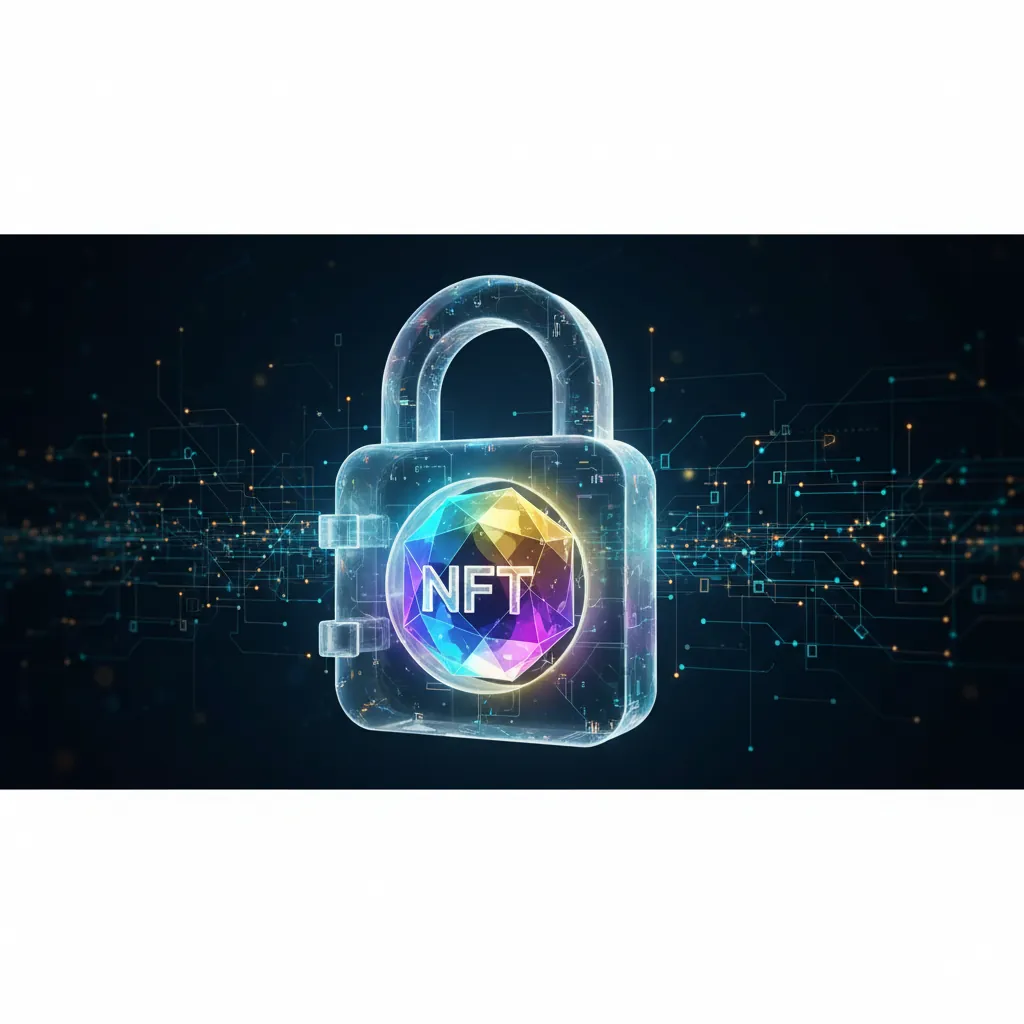
Table of Contents
Minting an NFT is often just the first step. Once a collector or creator holds an NFT, some projects offer a way to put it to work through staking. Instead of simply holding the token in a wallet, staking lets you lock it into a smart contract in exchange for rewards. This guide explains what NFT staking actually is, how the process works, and what to check before you try it.
What NFT Staking Means
Staking, in the crypto sense, originally referred to locking up cryptocurrency to help secure a blockchain network in return for rewards. NFT staking borrows the same basic idea but applies it to non fungible tokens instead of coins. You deposit, or lock, your NFT into a staking smart contract published by a project or platform. In exchange, that contract distributes rewards to you for as long as the NFT stays staked.
Unlike staking a cryptocurrency, staking an NFT does not usually help secure a blockchain. It is closer to a loyalty or incentive program built on top of smart contracts. The project decides the rules: how long you need to stake, what rewards you earn, and whether you can withdraw the NFT at any time or only after a set period.
How the Process Works
While every platform implements staking a little differently, the general flow looks similar across most projects.
- You connect your wallet to the staking platform or the project’s own website.
- You select which NFT or NFTs you want to stake from your wallet.
- You approve a transaction that transfers the NFT into the staking smart contract, or in some designs, locks it in place without moving ownership.
- The smart contract tracks how long the NFT has been staked and calculates rewards according to rules written into the contract.
- You can typically claim rewards periodically, and unstake the NFT when you choose, unless the project has a fixed lock up period.
Because this all happens through a smart contract, the rules are set in code rather than decided case by case. That is useful for transparency, but it also means you are trusting that the contract was written correctly and audited before you commit an asset to it.
What You Can Earn From Staking
Rewards vary widely by project, and it is worth understanding the type before you stake anything.
A Project’s Own Token
Many NFT collections that offer staking pay rewards in a native utility token created for that ecosystem. These tokens are often used inside the project itself, for things like governance votes, discounted mints, or in game currency for NFT based games.
Access and Allowlist Spots
Instead of, or alongside, a token, some projects reward stakers with priority access to future mints, allowlist spots, or exclusive drops. This ties staking directly to the project roadmap rather than to an open market reward.
In Game or Utility Benefits
For NFTs tied to games or membership platforms, staking can unlock in game boosts, cosmetic items, or continued access to a members only space for as long as the NFT stays staked.
Risks Worth Understanding First
Staking sounds simple on the surface, but it introduces real risks that plain holding does not.
- Smart contract risk. Once your NFT is in a staking contract, its safety depends entirely on that contract’s code. A bug or exploit in an unaudited contract can put staked assets at risk.
- Reduced liquidity. If a project uses a fixed lock up period, you cannot sell or transfer the NFT until it unlocks, even if the market shifts or you need to sell quickly.
- Reward token value. Reward tokens are usually new and thinly traded. Their value can be highly volatile, and there is no guarantee they will hold value over time.
- Phishing sites. Fake staking pages that mimic legitimate projects are a common scam. Always confirm you are on the official domain before connecting a wallet or approving a transaction.
None of this means staking is inherently bad. It means the decision should be based on understanding the specific contract and project, not on the promise of rewards alone.
Questions to Ask Before You Stake
- Has the staking contract been audited, and is the audit report public?
- Is the NFT transferred to the contract, or locked while remaining in your wallet?
- Is there a lock up period, and what happens if you need to unstake early?
- What exactly are the rewards, and where does their value come from?
- Is the staking page linked from the project’s official, verified channels?
Taking a few minutes to answer these questions before connecting a wallet is the simplest way to avoid the most common problems with NFT staking.
Staking is something that happens after minting, once an NFT already exists on chain. If you are still at the stage of creating and minting your own NFT, the Simple NFT Creator app walks you through preparing your artwork and minting it on a network of your choice. It is available on the App Store and Google Play.