What Are Music NFTs? A Beginner’s Guide to Web3 Music
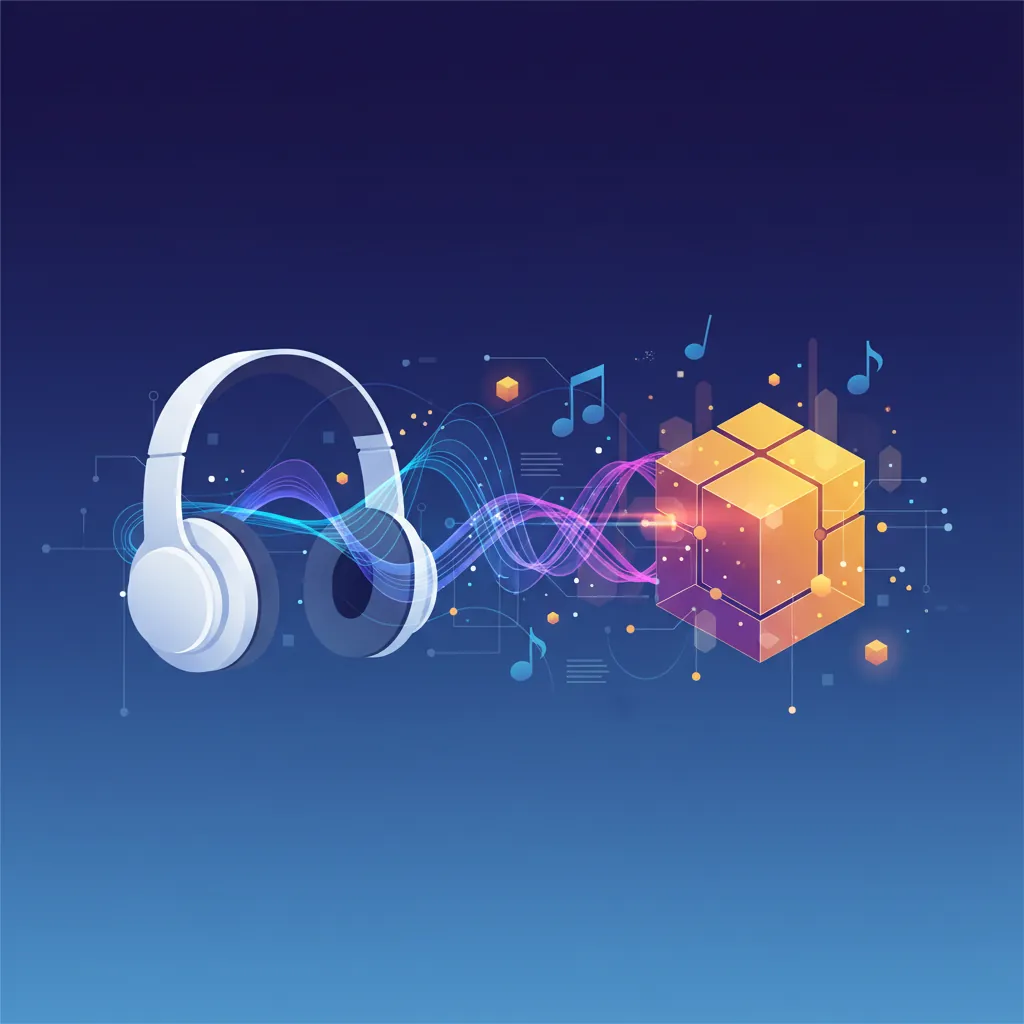
Table of Contents
Music NFTs let artists sell digital ownership of a song, an album, or a piece of audio directly to fans, without going through a label or a streaming platform’s payout system. The idea has been through a full hype cycle since 2021, and the market today looks very different from how it looked back then. This guide explains what music NFTs actually are, how they work, and what the realistic state of the space is in 2026.
What Is a Music NFT?
A music NFT is a non fungible token whose metadata points to an audio file, typically stored on IPFS or a similar decentralized storage system. Minting the file creates a unique, verifiable record on a blockchain that says who owns that specific edition of the track. Depending on how the artist structures the drop, owning a music NFT can mean:
- Holding a numbered edition of a song, similar to a limited vinyl pressing
- Getting access to unreleased tracks, stems, or behind the scenes content
- Owning a small share of the song’s future streaming or licensing royalties
- Unlocking perks like listening parties, merch, or presale access to future drops
It is worth being precise here: minting or buying a music NFT does not automatically transfer copyright or commercial rights to the buyer. Those rights stay with the creator unless the smart contract or drop terms say otherwise. If you are new to this distinction, it is the same principle covered in our guide to NFT licensing.
How Music NFTs Differ From Streaming
On a platform like Spotify or Apple Music, a listener pays a subscription and the artist receives a fraction of a cent per stream, split further with labels, publishers, and distributors. A music NFT sale is a direct transaction between the artist and a collector, usually at a fixed price or through an auction. There is no per stream royalty pool to divide, so a single sale can be worth far more to an independent artist than thousands of streams.
The tradeoff is reach. Streaming platforms have hundreds of millions of listeners with no technical barrier to entry. Music NFTs require a collector to have a crypto wallet, some cryptocurrency, and enough familiarity with minting to complete a purchase. That barrier is the main reason the audience for music NFTs is much smaller than the audience for streaming.
The State of Music NFTs in 2026
It helps to be honest about where things stand. The music NFT wave that peaked around 2021 and 2022 has cooled substantially. Sound.xyz, one of the platforms that popularized the artist first music NFT drop model, moved away from NFT minting toward a subscription product in 2026. What remains is smaller and more specialized: platforms like Catalog focus on one of one record drops for a niche collector base, and a handful of fan club tokenization tools let artists issue membership style tokens to their most engaged supporters.
Most casual music fans still do not have a crypto wallet and are not going to acquire one just to support a favorite artist. In practice, music NFT drops today tend to work best for artists who already have an engaged, crypto aware fan base, rather than as a general replacement for streaming or physical merch. That does not make the space pointless, but it does mean the pitch has shifted from mass adoption to a smaller, more deliberate collector market.
What Artists Get Out of It
For independent musicians, the appeal usually comes down to a few concrete things:
- Higher revenue share. Many music NFT platforms let artists keep a large majority of primary sale revenue, well above what a traditional distribution deal typically returns.
- Direct fan relationships. A wallet address that holds your music NFT is a fan you can identify and reward again, without relying on a platform’s algorithm to reconnect you.
- Flexible royalty terms. Some drops let artists share a percentage of future royalties with early collectors, turning fans into informal investors in a song’s success. Our guide to NFT royalties covers how royalty percentages are typically structured on chain.
What to Watch Out For
Before minting or buying music NFTs, keep a few risks in mind:
- Thin liquidity. Music NFTs are a smaller market than art NFTs, and resale demand for any given track can be limited or nonexistent.
- Platform risk. As the Sound.xyz shift shows, platforms built around music NFTs can pivot their business model, which may affect how a token is displayed, traded, or supported going forward. Owning the token on chain is separate from a platform choosing to keep building features around it.
- Unclear rights language. Always read what a drop actually grants before buying. Ownership of the token is not the same as ownership of the underlying composition or master recording unless explicitly stated.
- Gas and network fees. Minting or buying on certain networks can carry noticeable transaction costs. See our beginner’s guide to gas fees if this is unfamiliar territory.
Trying It Yourself
If you are a musician curious about minting your own work, the general process is similar to minting any other creative NFT: prepare your file and any accompanying artwork, decide which blockchain network fits your budget and audience (our guide to choosing a network can help), and choose a marketplace or platform where your intended collectors already spend time.
For creators who want a simple way to turn a file into an NFT without writing smart contract code, an app like Simple NFT Creator, available on the App Store and Google Play, handles the technical steps of minting so you can focus on the creative and business side of the release.