Custodial vs Non-Custodial Wallets: Who Holds Your NFTs
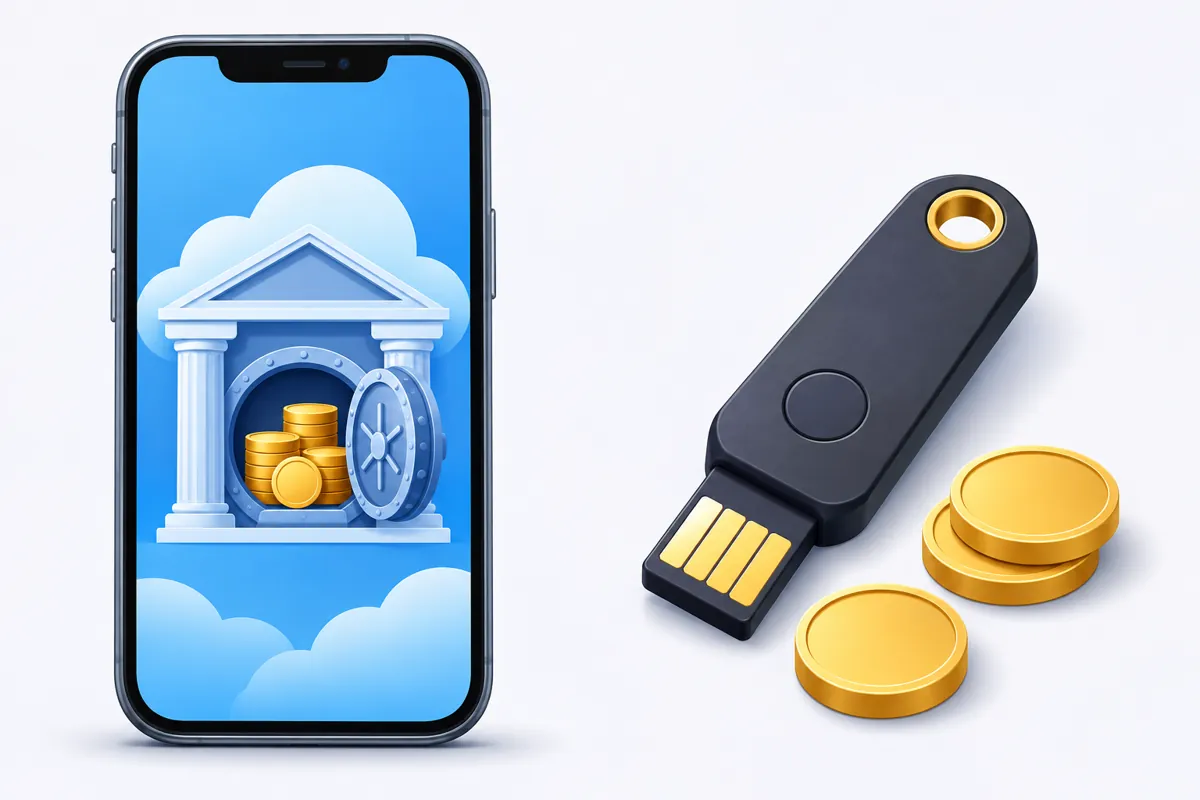
Table of Contents
Every NFT wallet falls into one of two categories, and the difference matters more than most beginners realize. A custodial wallet means someone else holds the private keys that control your tokens. A non custodial wallet means you hold them yourself. That single distinction shapes who can move your NFTs, how you recover access if something goes wrong, and what happens if the service you rely on fails.
If you are new to minting or collecting, it is worth understanding both models before you pick where your tokens live.
What a custodial wallet actually is
A custodial wallet is one where a third party, usually a centralized exchange or a hosted app, generates and stores the private keys on your behalf. You log in with an email and password or a social account, and the platform signs transactions for you behind the scenes. Many large exchanges offer this kind of wallet, and it is often the easiest on ramp for someone who has never touched crypto before.
The appeal is convenience. There is no seed phrase to write down and no risk of locking yourself out by losing a recovery phrase. Password resets work the same way they do for any other online account. For a first time buyer who just wants to hold an NFT without learning wallet mechanics, that simplicity is genuinely useful.
The tradeoff is control. If the platform freezes withdrawals, restricts transfers, or becomes insolvent, your access to those NFTs depends entirely on that company staying operational and honoring its obligations. The 2022 collapse of FTX is the example most people in crypto now point to: users who held assets on that exchange found their holdings frozen for months during bankruptcy proceedings. That is the structural risk of custodial storage, regardless of how reputable a given platform looks at any one time.
What a non custodial wallet actually is
A non custodial wallet, sometimes called a self custody wallet, generates keys on your own device and never sends them to a server. Apps like MetaMask, Rainbow, Trust Wallet, and Phantom work this way. When you set one up, you are shown a seed phrase, typically twelve or twenty four words, and that phrase is the only way to recover the wallet if your phone or browser is wiped.
With self custody, no company can freeze your NFTs or block a transfer, because no company is holding the keys in the first place. Every transaction is signed directly by your device and broadcast to the blockchain. This is the model most NFT marketplaces and minting apps expect, since ownership on chain is tied to whichever address controls the private key.
The tradeoff here is responsibility. There is no password reset. If you lose the seed phrase and lose the device it was stored on, the NFTs are not recoverable by anyone, including the wallet developer. This is also why seed phrase phishing and wallet drainer scams specifically target non custodial wallet holders rather than exchange accounts.
The practical differences side by side
- Who signs transactions: the platform signs for you in a custodial wallet; you sign yourself in a non custodial wallet.
- Recovery: custodial wallets use standard account recovery; non custodial wallets rely entirely on the seed phrase you backed up.
- Platform risk: custodial wallets expose you to the operator’s solvency and policies; non custodial wallets remove that dependency.
- Compatibility: most third party marketplaces, minting sites, and dApps connect directly to non custodial wallets, not to exchange accounts.
- Onboarding: custodial wallets are faster to set up for a first purchase; non custodial wallets require understanding seed phrase security up front.
Middle ground options exist
The choice is not strictly binary. Smart contract wallets built on the account abstraction standard, ERC 4337, let you combine the convenience of familiar logins with self custody, since the keys still live under your control even though the recovery flow feels closer to a normal app. Multisig wallets, such as Safe, split signing authority across multiple keys or people, which is common for teams or collectors who want shared control over a valuable collection without a single point of failure. These approaches add setup complexity, so they tend to suit collectors managing larger collections rather than someone minting their first piece.
Which one makes sense for minting NFTs
If you are testing the waters, a reputable custodial platform removes friction and lets you learn the basics of buying and holding before you deal with seed phrases at all. Once you plan to mint directly from a drop, interact with marketplaces, or hold a collection you care about long term, a non custodial wallet is usually the better fit, since it is what most minting flows expect and it keeps your tokens independent of any single company’s uptime.
Whichever you choose, treat your recovery method, whether that is an exchange password with two factor authentication or a seed phrase written on paper, with the same seriousness you would give to the keys of a safe. It is the only thing standing between you and your NFTs.
If you want to mint your own NFTs directly from your phone once you have a wallet set up, Simple NFT Creator is available on the App Store and Google Play, and walks you through choosing a network and minting without needing a desktop setup.