What Are Fully On-Chain NFTs? Beyond IPFS Storage
Table of Contents
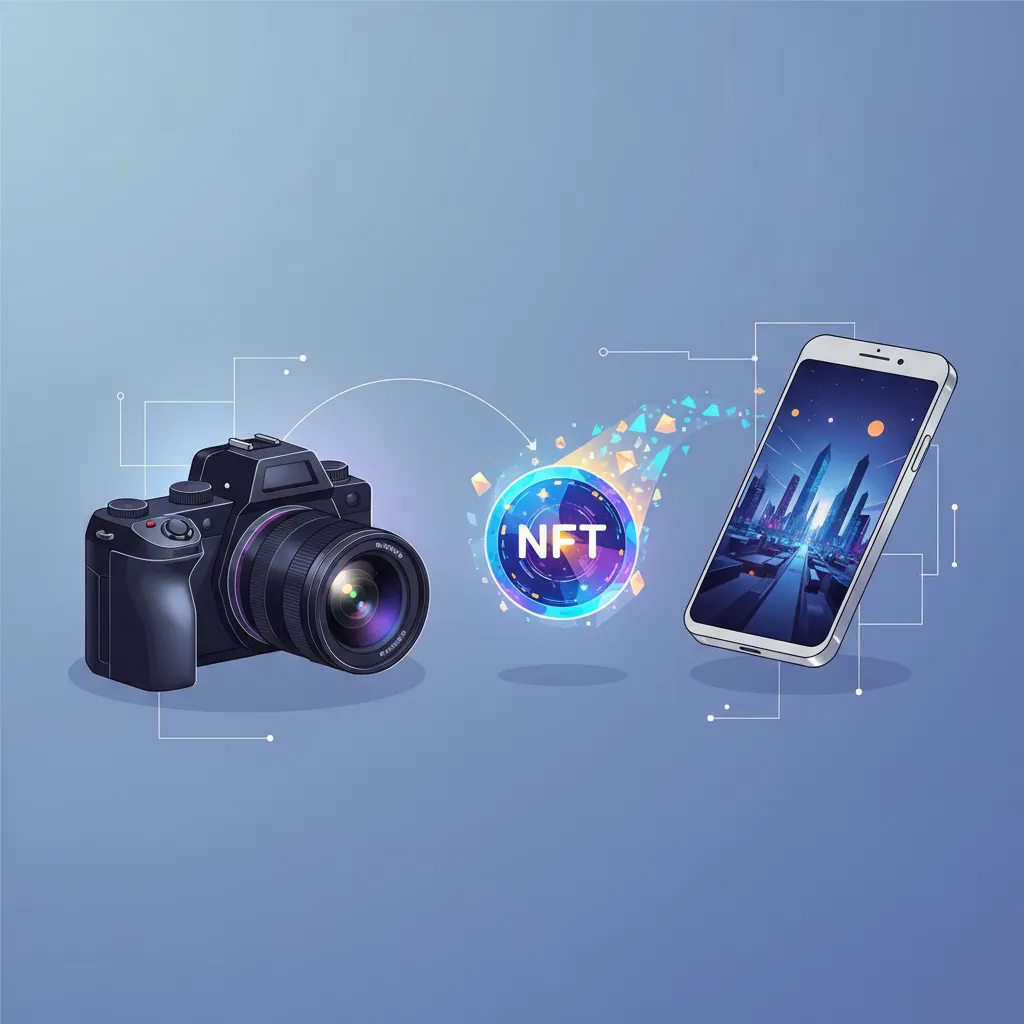
When you mint an NFT, the token on the blockchain almost never contains the actual image file. Instead, it holds a pointer, usually a link to a file stored on IPFS or Arweave, that a marketplace or wallet follows to display the artwork. Fully on-chain NFTs work differently. They store the image data itself, not just a link to it, directly inside the smart contract on the blockchain.
What Does “Fully On-Chain” Mean?
Every NFT has a tokenURI, a function that returns the metadata describing the token: its name, description, attributes, and usually a link to an image. For most NFT collections, that tokenURI points to a JSON file hosted on IPFS, which in turn points to an image file also hosted on IPFS.
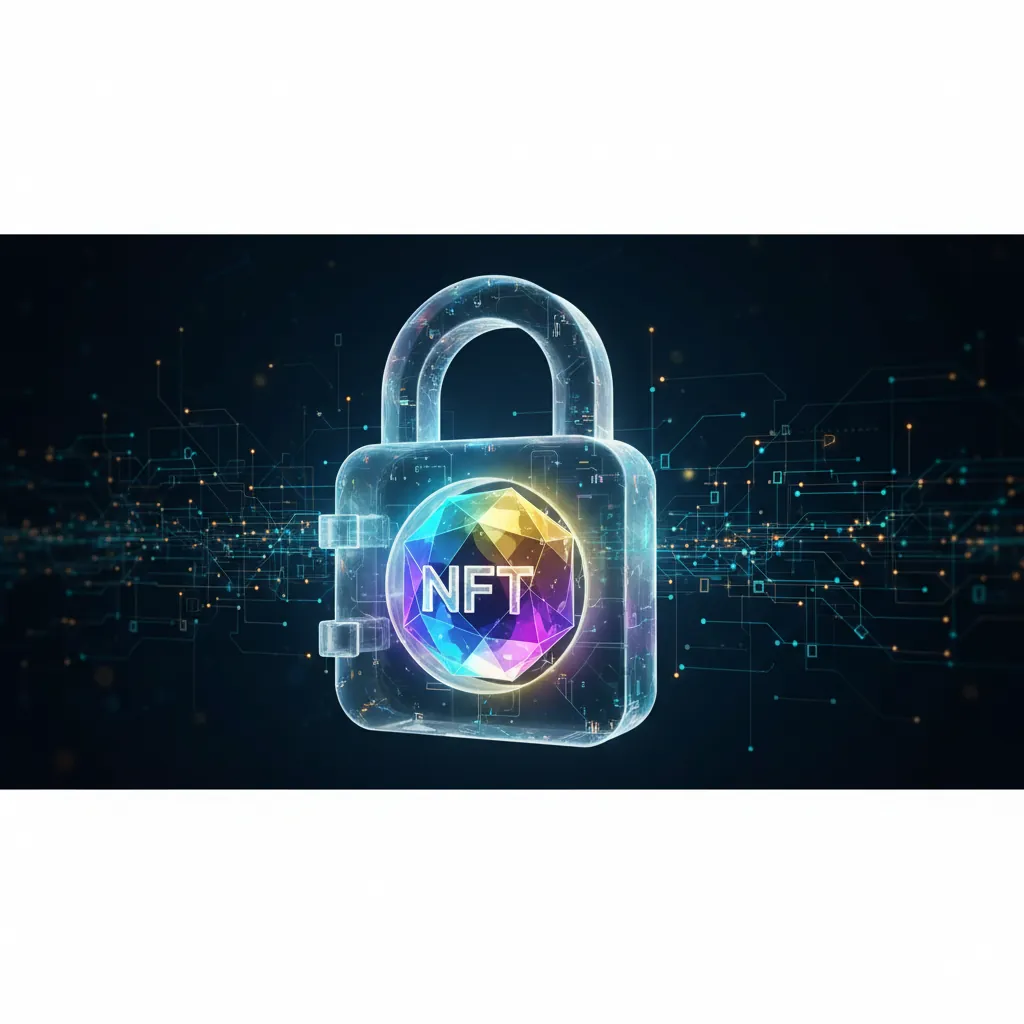
A fully on-chain NFT skips the external file entirely. The tokenURI function generates the metadata and the image on the spot, encodes it (typically as Base64), and returns it directly from the smart contract. If the artwork is an SVG, the actual vector drawing instructions live in the contract’s code or storage, not on a separate server or IPFS node.
How This Differs From IPFS and Arweave Storage
IPFS and Arweave are both good solutions for keeping NFT files available long after minting, and they solve real problems with centralized web hosting. But they are still external to the blockchain. A token’s permanence still depends on files being pinned (for IPFS) or on Arweave’s network continuing to operate. If you want to read more about how that storage layer works, see our guide on where NFTs are stored.
Fully on-chain NFTs remove that dependency. As long as the blockchain itself exists, the artwork can be reconstructed from the contract, because the data needed to render it is part of the chain’s own history. There is no separate file to lose, no pinning service to pay for, and no gateway that can go down.
Real Examples: Loot and Autoglyphs
Two well-known Ethereum projects illustrate the idea. Loot, an 8,000-piece collection, generates each item’s text-based attributes (a list of fantasy gear) directly from code running in the Ethereum Virtual Machine. Nothing was uploaded to IPFS. The words themselves are the entire artwork, assembled on-chain from arrays stored in the contract.
Autoglyphs, an earlier generative art project, goes further: it renders its output as ASCII-style patterns produced by an algorithm that lives entirely in the smart contract. The image is not a picture of the art, it is the direct output of code stored on-chain, generated fresh whenever it is requested.
Both projects are frequently cited as some of the clearest examples of what “fully on-chain” actually means in practice, as opposed to marketing language that sometimes gets applied loosely to any project with on-chain metadata.
Why Some Creators Choose This Approach
The main appeal is permanence and independence. A fully on-chain NFT does not rely on any company, pinning service, or third-party gateway staying online. For collectors who care about long-term provenance, that removes one point of failure from the equation.
It also appeals to a specific kind of generative art, where the algorithm itself is part of the artistic statement. Storing the generation logic on-chain means anyone can inspect exactly how the artwork was produced, rather than trusting that an off-chain image matches what the metadata claims.
The Trade-offs
Fully on-chain storage is not free, literally. Writing data to a blockchain costs gas, and the more complex the artwork, the more expensive it is to store and to mint. This is a major reason most NFT collections do not use this approach: a detailed illustration or photograph is usually far too large and costly to store as on-chain data, which is why IPFS and Arweave remain the practical default for most projects.
Fully on-chain approaches also tend to suit simpler visual styles, such as SVG-based generative art, pixel patterns, or text, rather than high-resolution photography or complex illustration. There is a real ceiling on how much visual detail is practical to store this way.
What This Means If You’re Minting Your Own NFTs
For most creators minting art, photography, or collectibles, storing files on IPFS or Arweave alongside on-chain metadata remains the standard, reliable approach, and it is what most minting tools, including Simple NFT Creator, are built around. Fully on-chain storage is a specialized technique, most relevant to generative art projects and collectors who prioritize permanence over visual complexity.
Understanding the difference is still useful. When you see a project described as “fully on-chain,” it tells you something concrete about how durable and independent that NFT’s artwork actually is, not just a marketing phrase.
If you are getting started with minting your own NFTs and want a straightforward way to prepare and publish your artwork, the Simple NFT Creator app is available on the App Store and Google Play.