How to Mint Photography as NFTs: A Beginner’s Guide
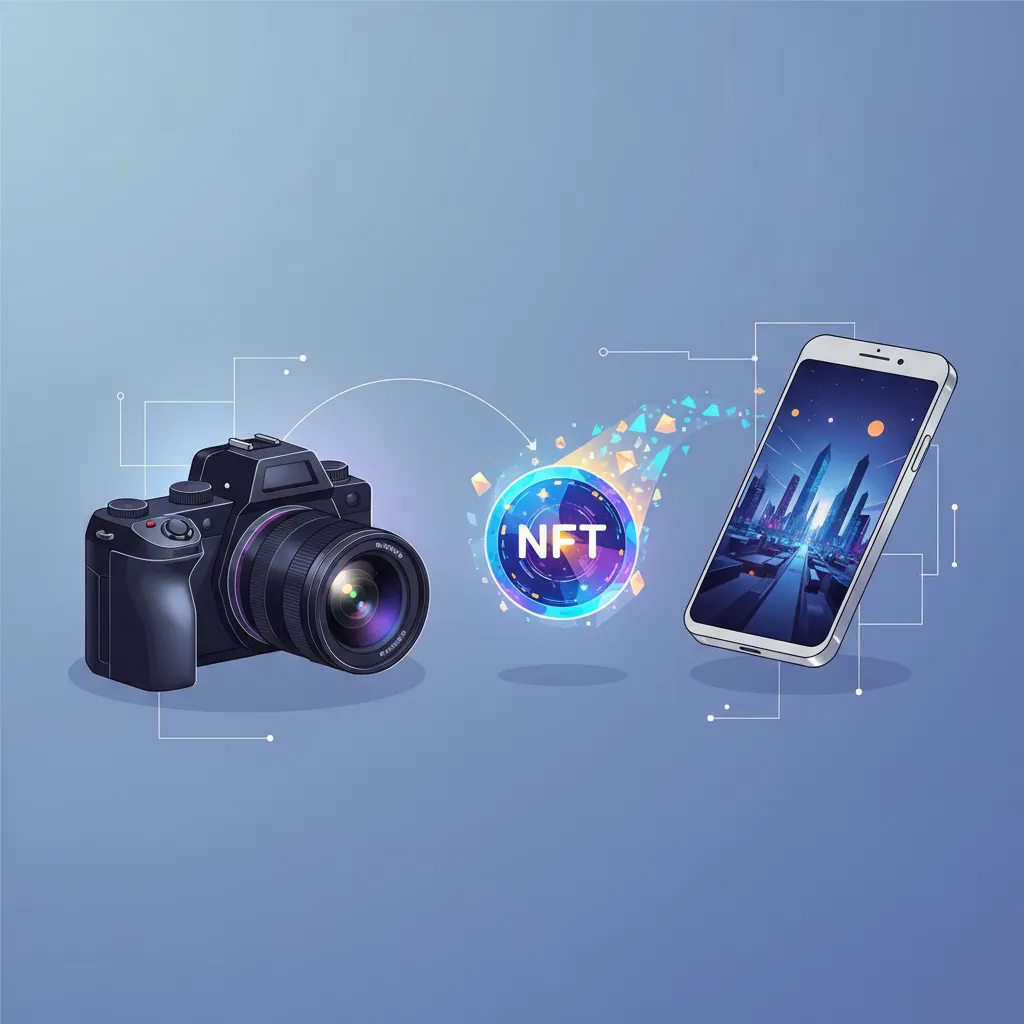
Table of Contents
Photographers were early adopters of NFTs, and for good reason. A photograph is already a single captured moment, which makes it a natural fit for tokenization: you can sell a specific print as a one of one, or release a themed series as a limited edition. This guide walks through what is different about minting a photo compared to other digital art, and what to think about before you publish.
Why Photographers Use NFTs
Traditional print sales rely on galleries, marketplaces, or personal websites, and the photographer usually only earns from the first sale. NFTs let a photographer sell directly to collectors worldwide, attach a verifiable record of authenticity to the file, and in many cases collect a royalty percentage on future resales, depending on the marketplace and token standard used. None of this guarantees a sale or a particular price. It simply changes the distribution and provenance model compared to selling prints or licensing stock photos.
What Makes a Photo NFT Different
An NFT is not the photo file itself. It is a token on a blockchain that points to the file, usually stored on IPFS or Arweave, along with metadata describing the work: title, description, edition number, and sometimes camera or shooting details. When someone buys the NFT, they own that token and the rights the creator explicitly grants alongside it, which is not automatically full copyright. Photographers should decide up front what buyers are actually getting: personal display rights, commercial usage rights, or nothing beyond ownership of the token, and state this clearly in the listing.
Preparing Your Photos Before Minting
A few practical steps make a real difference in how a photo NFT is perceived and preserved:
- Export at full resolution. Upload the highest quality version you are willing to release. Collectors often expect the minted file to be usable, not a compressed preview.
- Clean up metadata. Remove sensitive EXIF data like GPS location if you do not want it public, but keep useful details like camera and lens if that adds context collectors value.
- Decide on watermarking. Some photographers mint unwatermarked files since the blockchain record itself proves authorship. Others prefer a subtle mark, particularly for previews shared outside the minting platform.
- Write a clear description. Where and when the photo was taken, the story behind it, and the edition size all help collectors understand what they are buying.
Choosing a Network and Marketplace
Photography NFTs are minted on the same networks used for other digital art, most commonly Ethereum and lower fee chains like Polygon or Base. If you are just starting out, a lower fee network reduces the cost of experimenting and makes smaller edition sizes more practical. Some marketplaces specialize in photography and curate submissions, while general purpose marketplaces accept anyone. Research a marketplace’s fee structure, royalty support, and audience before committing a collection to it.
Single Edition or Limited Series
A single edition NFT mirrors a gallery print marked 1 of 1: there is only one token, and scarcity is built into the format. A limited series, for example 25 identical or near identical tokens of the same image, works more like a numbered print run. Neither approach is inherently better. A single striking image might suit a 1 of 1 release, while a themed photo essay or a recurring subject might work better as a small series where each token represents one entry.
Protecting Your Work
Minting does not replace copyright law, it works alongside it. You generally retain copyright to your photography unless you explicitly transfer it, even after someone buys the NFT. Spell out licensing terms in the listing description so buyers know exactly what they can and cannot do with the image, for example personal use only versus rights to print and resell. If a marketplace supports on-chain royalties, set a reasonable percentage so you can continue to benefit if the piece is resold later, understanding that royalty enforcement varies by marketplace and is not guaranteed everywhere.
Common Mistakes to Avoid
- Minting without a plan for storage. If the image file itself is hosted somewhere that can go offline, the NFT can end up pointing to a broken link. Decentralized storage like IPFS or Arweave avoids this.
- Skipping the description. A blank listing with just a filename gives collectors nothing to connect with.
- Overpromising rights. Do not claim a buyer receives exclusive commercial rights unless that is genuinely the deal, and unless you are prepared to honor it.
- Ignoring gas costs on the wrong network. Testing a workflow on an expensive network before checking fees can turn a simple experiment into an unnecessary expense.
Getting Started
You do not need coding experience to mint a photograph as an NFT today. Simple NFT Creator lets you upload a photo from your phone, add a title and description, choose a network, and mint directly from the app on App Store or Google Play. Start with one image you are proud of, write an honest description, and treat it as a learning exercise rather than a guaranteed sale.