GDPR and NFTs: What Happens When You Can’t Erase Data
Table of Contents
A Right That Was Not Built With Blockchains in Mind
Data protection law in the European Union gives people a right to ask companies to delete their personal data. This is often called the right to erasure, or informally the “right to be forgotten,” and it is written into the General Data Protection Regulation (GDPR). When that law was drafted, it assumed data lived in databases that a company could edit or delete on request. Blockchains do not work that way, and NFTs sit right at the center of the mismatch.
Why Immutability and Erasure Do Not Mix
The entire point of a public blockchain is that once a transaction is confirmed, it cannot be quietly changed or removed. Every node that keeps a copy of the chain keeps that record forever, and altering a single past entry would break the cryptographic chain that links it to every block after it. That permanence is exactly what makes blockchains useful for proving who minted an NFT and when. It is also exactly what makes them incompatible with a legal right that assumes data can be deleted on request.
This becomes a real problem the moment personal data ends up on chain. If an NFT’s metadata includes a creator’s full name, email address, physical location, or a photo that identifies a specific person, that information is now permanent in a way a normal web form submission never is. There is no support ticket that fixes this, and no database row to remove.
What Regulators Have Actually Said
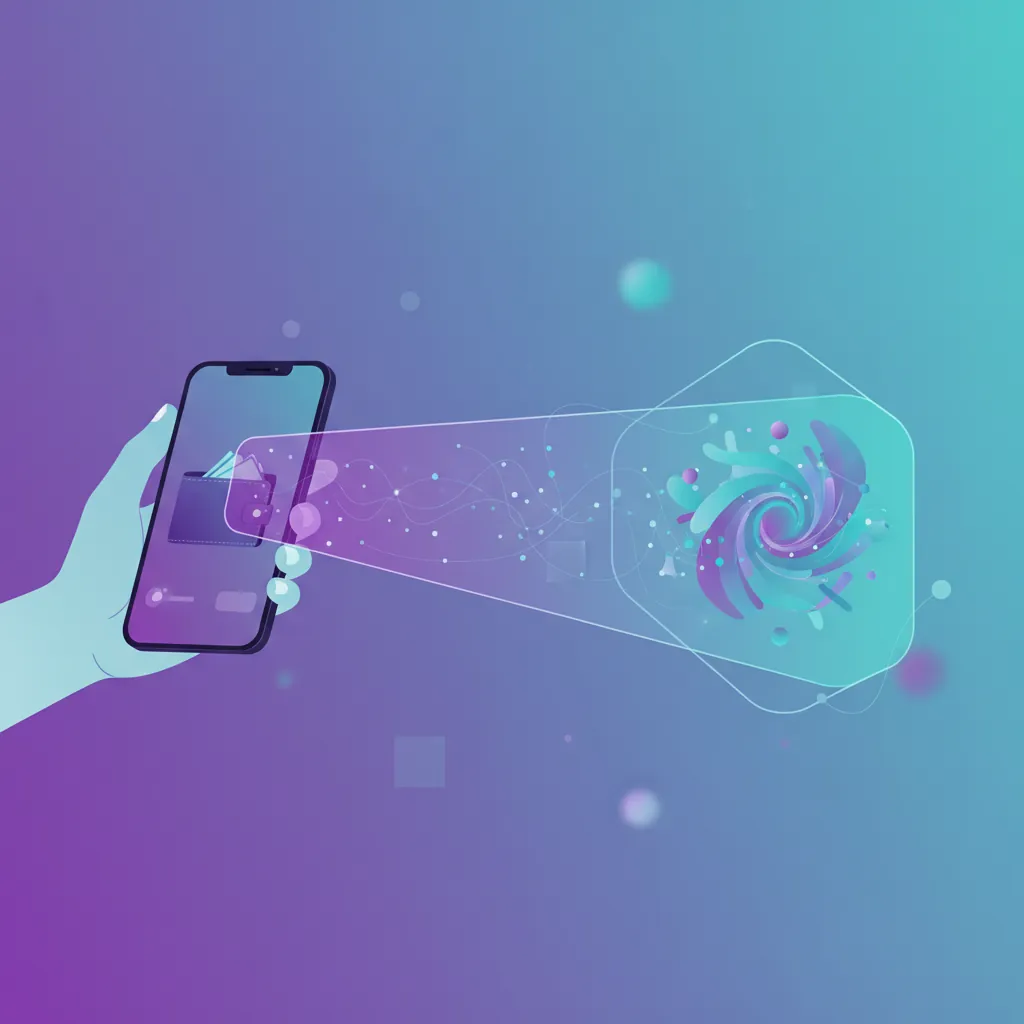
European data protection authorities, including the European Data Protection Board, have acknowledged this tension directly rather than pretending it does not exist. Their general position is that blockchain projects are not exempt from GDPR just because the technology makes compliance harder, and that genuine personal data should be kept off chain wherever possible. The recommended pattern is to store personal data in a regular database that can be edited or deleted, and to put only a reference, a hash, or a pointer on chain, rather than the personal data itself. A hash on its own is not personal data in a way that can be reversed, so deleting the off-chain record it points to effectively removes the practical ability to use that data, even though the hash remains.
This is sometimes called “privacy by design,” and it shifts the question from “how do we delete something from an immutable ledger” to “how do we avoid putting anything on that ledger that we might later need to delete.”
Why This Is Not Just a Legal Footnote
It is easy to assume this only matters to large platforms with legal teams, but the same logic applies to anyone minting an NFT of their own work. Metadata fields are flexible, and it is common to see creators fill in a bio, a real name, a contact email, or a link to a personal profile directly in the on-chain metadata of a token. Once that transaction confirms, that information is copied across every full node on the network, indexed by block explorers, and mirrored by countless third party sites. There is no realistic way to make it disappear later, even if the creator deletes their social media account or asks a marketplace to take the listing down.
Practical Habits for NFT Creators
None of this means you need a lawyer to mint a piece of art. It means being deliberate about what actually goes into the metadata versus what stays off chain and under your control.
- Keep identifying details off chain. A pseudonym or project name in the on-chain metadata is enough. Save your real name, contact details, or biography for a website or social profile you can edit or take down later.
- Treat the image and the record separately. The artwork file and its hash can live on IPFS or Arweave, as most NFT projects already do. The metadata that points to it should avoid anything personal beyond what is necessary to describe the piece.
- Be careful with embedded file data. Image files can carry hidden metadata of their own, such as GPS coordinates from a phone camera. Strip that before uploading artwork, since it travels with the file wherever it is pinned.
- Remember that wallet addresses are already semi-public. They are pseudonymous, not anonymous, and can often be linked back to a real identity through exchange records or public statements. Minting does not make this worse, but it is worth knowing before connecting a wallet you want to keep separate from your public identity.
The Bigger Picture
This is not a reason to avoid NFTs, and it does not mean blockchains are somehow illegal under European law. It means the permanence that makes NFTs good at proving ownership and provenance is the same permanence that makes them a poor place to store anything you might one day want to take back. Regulators are still working through exactly how GDPR applies to decentralized networks with no single party in control, and that conversation will keep evolving. Until it settles, the simplest protection is also the most practical one: decide what belongs on chain forever, and keep everything else somewhere you can actually change your mind about.
If you are getting ready to mint your own work, Simple NFT Creator (available on the App Store and Google Play) walks you through preparing artwork and metadata from your phone, so it is worth giving a thought to what you type into those fields before you hit mint.